“OPA’LIA, a Roman festival in honour of Opis,a which was celebrated on the 14th day before the Calends of January (Dec. 19th), being the third day of the Saturnalia, which was also originally celebrated on the same day, when only one day was devoted to the latter festival. It was believed that Opis was the wife of Saturnus, and for this reason the festivals were celebrated at the same time. The worshippers of Opis paid their vows sitting, and touched the earth on purpose, of which she was the goddess.”
– William Smith, D.C.L., LL.D., A Dictionary of Greek and Roman Antiquities, 1875
Buenos Aires – With the success of our series of Italian cooking classes, the cuisine has been on my mind much more lately, so it won’t come as any surprise that I’m trying out recipes here and there during our Casa S dinners. On to the food….
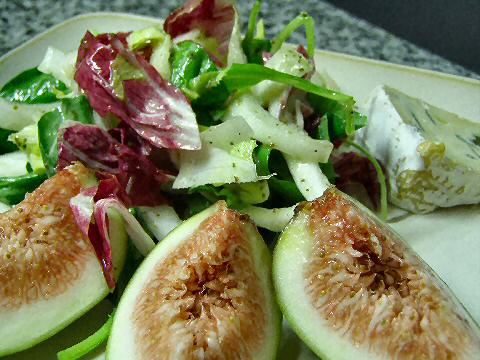
This is a minor change to past versions of an insalata romana, one of my favorite salads – with the tri-color (Italian flag) leaves of arugula, endive and radicchio, accompanied by fresh figs and blue cheese. The only change – I guess it’s the holiday season and a certain amount of missing “roots” – I’ve been experimenting with recipes for salad dressings – I grew up in a household where we always had salad with dinner, and usually an array of dressings (Kraft and Wishbone, of course) to choose from – one of my favorites was always Italian – this version a blend of cider vinegar, olive oil, water, garlic, onion, sugar, oregano, thyme, basil, parsley, celery seed, salt and black pepper.
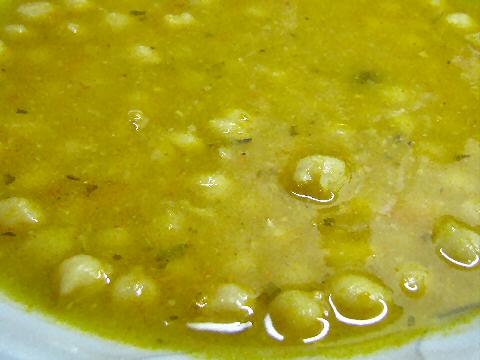
A simple soup in which I sauteed minced garlic, rosemary and oregano with crushed anchovies, then deglazed the pan with white wine and reduced it a bit, added tomatoes and water and let it simmer away. Meanwhile I had soaked chickpeas overnight and then cooked them separately until soft – adding them to the soup. The first night I pureed the whole soup, the second night I pureed it prior to adding the chickpeas and left them whole – I liked that better….
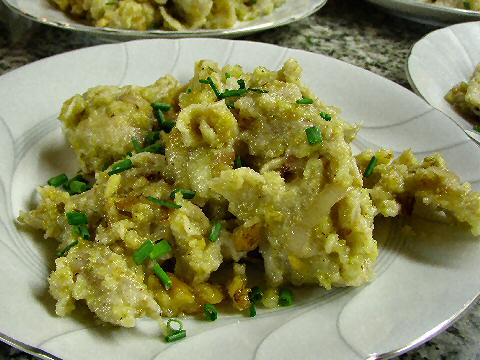
Again two versions – homemade whole wheat pasta both nights, something we’ve been playing with in the classes – the first night tagliatelli – thin ribbons, I thought they seemed a little too delicate for the sauce, which was sweetbreads coated in cornstarch and cornmeal and fried in olive oil along with lots of chopped shallots and walnuts. The second night I tried maltagliati – just random forms – it seemed too much the other direction, almost overshadowing the sweetbreads – something in between the next time….
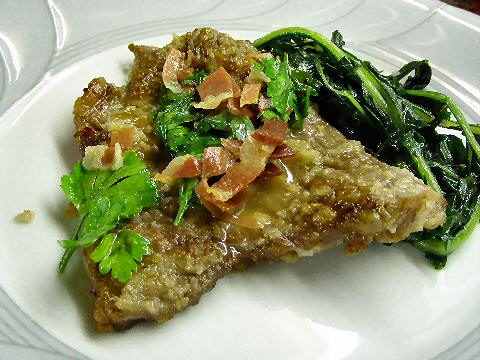
A simple veal piccatta – traditional style topped with lemon juice, parsley and prosciutto. Served up with garlic sauteed chicory – some people liked the chicory and ate it all, others just pushed it around the plate. Oh, and on night two, two folk showed up who’d made their reservation the day before and assured me that they “ate everything, no restrictions” – apparently, mentioning that he was a vegetarian didn’t seem worth mentioning – hmmm… didn’t mention the anchovies in the soup – nothing I could do about it anyway, pasta without the sweetbreads, just the walnuts and shallots, he seemed to like that, the veal, not much I could do at that point, a little extra chicory – which he turned out not to like, and I had a few loose vegetables around – carrots, onions, peppers, which I sauteed up quickly and tossed atop the chicory. I don’t get it – if someone has a dietary restriction that’s that… restrictive, why not mention it? Sure, I might have said no, but, probably not, I usually try to accommodate requests like that when I can – and he would have had a far better meal.
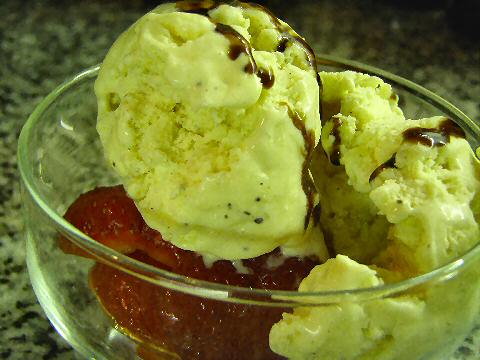
This was a hit – a traditional Roman dessert of gelato made from risotto rice – the rice is cooked in cream, cinnamon and sugar until al dente, then mixed with creme anglais, chilled, and then churned in an ice cream maker – it’s kind of like a frozen rice pudding, only richer. I scooped it over strawberries that had been macerating in berry liqueur and then drizzled a little balsamic caramel over the top.
Copyright © 2026 SaltShaker. This feed contains copyrighted photos and text from SaltShaker. If you are not reading this material in a feed aggregator or by e-mail subscription, the site you are viewing may be guilty of copyright infringement. Please contact [email protected] so that I can take appropriate action.
Plugin by Taragana




 ]]>
]]>“First things first, but not necessarily in that order.”
– Doctor Who
Buenos Aires – There was much speculation, much buzz, much questioning… just exactly what were we going to do at Casa SaltShaker to celebrate 45 years since the pilot of Doctor Who aired – celebrating the longest running science fiction show on television – a show that every sci-fi technogeek nerd has watched untold episodes of – except me. It was very odd. I got all excited about the idea as a theme – it’s one of those wacky ones that basically make no constraints on what I do in the kitchen, they’re more of an excuse to simply play around with pots and pans (okay, a faint hint of English thrown in to this one, but very faint) – and then I realized, here I consider myself a sci-fi type of guy – it’s what I read for enjoyment most of the time (I’ve had a running subscription to Asimov’s Science Fiction magazine since its inception in 1977 – it’s one of only two magazines that I’ve kept my subscriptions to after moving to BA!), my preference in films and television, this particular one started up when I was five years old and has therefore been running consecutively with me most of my life, and… umm… err… I’ve never seen the show. I didn’t even know what it was about. Really. I think I’ve caught a few minutes of various episodes here and there, but no more than that. Crap. Now I have 45 years worth of episodes to start downloading and watching… not that I did that prior to this last weekend, but they’re now on my download list.
So, enough about all that – on to the food, right?
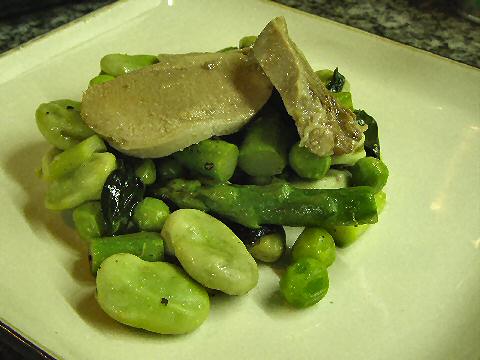
For the soup, I decided on a chowder. I’m not sure why. It’s really more of a cold weather soup, and it’s steamy hot here right now. But, I made a chowder, and to give it that slight britishism, it’s a curried chowder. The broth – in a pot, I simmered together: 1 pear, 1 onion, 3 cloves of garlic, 2 bay leaves, 4 sprigs of thyme, a teaspoon of curry powder and one of turmeric. When nice and flavorful I pureed it in the blender and then strained it. Meanwhile, I sauteed together: diced bacon, potatoes, carrots and celery, and finely chopped shallots, flavored with fresh thyme and bay leaves. When the vegetables were starting to soften, I poured a cup or so of white wine over the mixture and cooked it until the liquid was mostly absorbed or evaporated. Then I poured the broth over it all, brought it up to a simmer, cooked it until the vegetables were done. I added about a pound each of chopped mussels and clams, cooked for just a minute or two, and then finished the soup with about a cup of heavy cream. Really good, but really, much too heavy for this time of year.
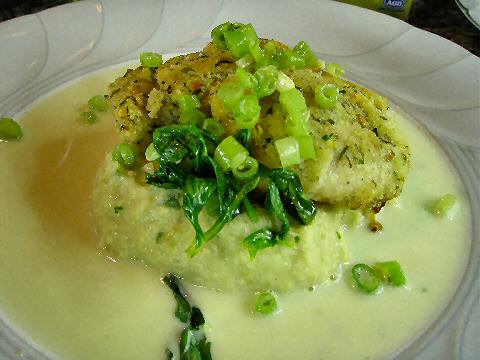
Next, I was thinking about the English dish cauliflower cheese – yeah, it’s about as appetizing most of the time as those boil-in-the-bag cauliflower and cheese sauce things I grew up with. Maybe less so. So I turned it inside-out. Remember those baked, puffed, golden agnolotti from our recent northern Basque dinner – I filled the agnolotti with cheese – mostly cheddar, with a little mozzarella and parmesan for balance – and then made a cauliflower cream to serve it with – a head of cauliflower cut up in florets, a large white onion, some coriander and sweet paprika, and cover the whole thing with milk, simmered until the cauliflower was soft, then pureed the whole thing – it becomes a medium-thick sauce. Season with salt and white pepper, ladle on the plate, place a couple of baked agnolotti atop, a few scattered chives…
Now, I’m off to watch eight zillion episodes of Doctor Who….. well, not really, I’m off to research a couple of articles coming up….
Copyright © 2026 SaltShaker. This feed contains copyrighted photos and text from SaltShaker. If you are not reading this material in a feed aggregator or by e-mail subscription, the site you are viewing may be guilty of copyright infringement. Please contact [email protected] so that I can take appropriate action.
Plugin by Taragana
]]>“As Jupiter reached opposition earlier this week, it put on a spectacular show of cannibalism for anyone viewing with modest telescopes. Planetary specialists around the world have been watching with bated breath as a cataclysmic encounter between Jupiter’s Great Red Spot (GRS), Oval BA (Red, Jr.), and the newly discovered Little Red Spot (LRS) unfolded at the beginning of July. Though encounters such as this are relatively common on the gas giant, this event was greatly anticipated because the LRS was strong enough to dredge up material from deeper within Jupiter’s atmosphere, imbuing it with the same reddish color as the GRS and Oval BA.”
– Sean Walker, Sky and Telescope
Buenos Aires – It’s strange how different themes don’t necessarily interconnect in my mind sometimes. At least to me. Here I was, with the Epulum Jovis, the ancient Roman festival to the god Jupiter, on my mind, which led me to think about the infamous January Red Dinner (January 12, 1997) back in New York that, while not involving Jupiter directly, had simply used an image of that planet’s red spot as a background for the printed menu. So, I started thinking about a “red dinner” again, and it never occurred to me until around a day or so before the dinners that we’d just offered up a red dinner to celebrate the tenth anniversary of the Red Hat Society. Thankfully, there’s more than enough red food to go around. The menu, eleven and a half years ago, more or less, was:
1994 Domaines Ott Château de Selle Rosé
Tomato Water & Lobster Risotto with Red Currants & Pistachios
N.V. Champagne de Venoge Princesse Rosé
Red Cooked Red Snapper, Jicama, Bamboo Shoots & Oyster Mushrooms
1993 Domaine Vacheron Sancerre Rouge
Braised Oxtail, Grilled Radicchio and Pickled Red Grapes
1975 Mastroberardino Lacryma Christi del Vesuvio Rosso
St. Andre & Cheshire Cheeses
1961 Château Citran Haut-Médoc
Sweet Tomato & Black Walnut Tart
1976 Parcé & Fils Banyuls “Domaine du Mas Blanc”
Keeping in mind that this was a different era in my life, those dinners were shared with a select group of close friends, once a month (and I was earning a near six-figure salary), the original menu could, at best, serve as an inspiration for a Casa SaltShaker dinner (lobster here, after all, only available flown in frozen and at the mere price of 400 pesos a kilo, or $182 per pound… and the wines… well, as I said, it was a different era, not to mention country). So, on with the show…
Now, the guests at Casa SaltShaker had one clear advantage over those who attended the Epulum Jovis. They got to eat. In the ancient festival, it is said, the rest of the gods were formally invited to a banquet, where they lay about on soft pillows carefully placed near to the table, which was set with a sumptuous feast. However, being gods, they did not ingest food, so they had servants who sat down and ate on their behalf. While a nice little nap on comfy pillows sounds delightful… lucky servants, no?
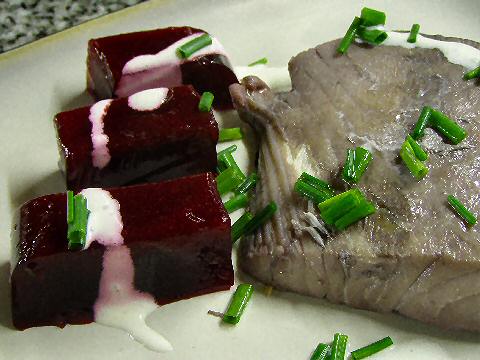
Red snapper, out of season. Red mullet, wasn’t looking so good in the fish stores. But hey, the fish is being poached in a red wine court bouillon regardless – I decided on palometa, one of my favorite local fish. Poached, chilled, and served up with a beet and wasabi gelee (now that I’m getting the hang of gelees, you might have noticed I’m having fun using them), which by itself would have made a delicious little starter – peeled and coarsely chopped beets simmered in water with a little salt, pepper, and wasabi powder, strained, gelatin added, poured into a sheet pan and chilled. A little semi-whipped cream with salt and pepper and some chopped chives completed the dish.
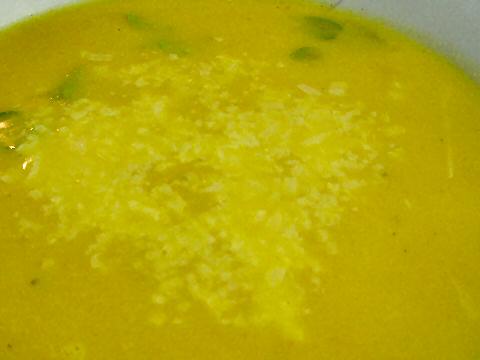
I decided to combine the prosciutto and red pepper into the soup rather than serve the former as a separate bread. A solid soup base of onions, celery, carrots, plenty of chopped prosciutto, and a mix of smoked, sweet, and hot paprikas, sauteed until lightly golden, then topped off with water and brought to a simmer. Meanwhile, I blackened a bunch of red bell peppers over a flame, peeled and seeded them, and then added them to the soup. I let it all simmer for awhile and then pureed it with the hand blender. To serve, I mixed in oregano leaves and topped the soup with a little grated reggianito cheese.
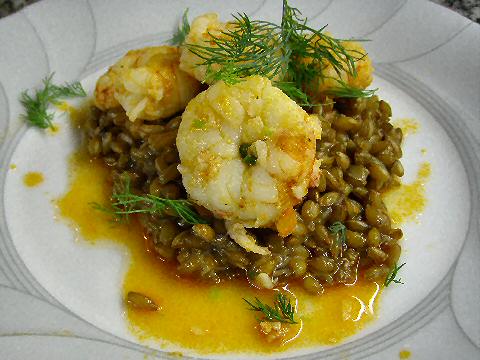
This was the most interesting dish for me, and, I think, for many of the guests. Starting from that lobster and tomato water risotto, I found myself thinking about a shrimp risotto. But then, not risotto, I wanted something… dark… like a brown rice risotto… no, wait, what about something like shrimp on rye toast… no, better, pumpernickel toast… but not toast, I was thinking about risotto… hey, what about “deconstructing” the pumpernickel…? I mean, my friends Aki and Alex having been playing with pumpernickel pastas… I think… This took a little experimenting to get right, I’ve never worked with rye grains before, I wasn’t even sure I could cook them up like a risotto (and, it turns out, you can’t really, unless you have hours to stand in front of the stove stirring – they need to soak overnight and then simmer in lots of water for a couple of hours to get plump and soft). So, soak them I did, in cold water, then into a pot I put lots of chopped shallots, just a pinch of salt, some pepper, plenty of caraway seeds, and a splash of oil and cooked until the shallots were soft and just starting to color. Then I added the drained rye grains, some cocoa powder and a dollop of molasses, topped it up with a good amount of water, brought it to a boil, and left it to simmer, covered, until the grains were getting soft, took the cover off, and continued cooking it until the water had evaporated. To serve, I reheated it and added in some whipped cream cheese with shrimp (one of those lovely flavored cream cheeses from the supermarket), and seasoned it with salt and freshly chopped dill. I sauteed up some prawns with chopped hot peppers, garlic, and dill seed, and, there you have it – shrimp on pumpernickel toast… deconstructed.
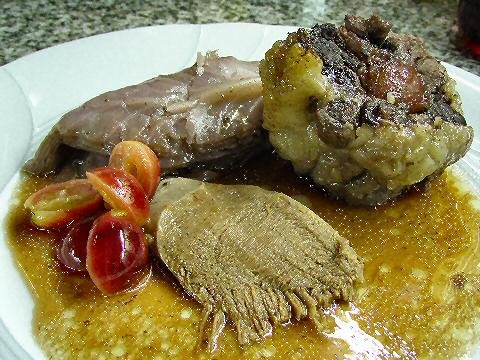
You might have noticed that I’ve been serving up a bit more of the offal, those cuts of meat that aren’t as popular, “variety meats” as I’ve seen them termed. I was thinking about that original oxtail dish with the radicchio, but the latter looked anemic in the market, so I picked red cabbage, but not grilled, I decided to braise them together… and hmm, we were so successful with the tongue a couple of weeks ago that why not add one in to the mix – in fact, I saw an interesting looking braised dish of oxtail and tongue in one or another of my cookbooks, though I went with my own recipe – layered into the stockpot – wedges of red cabbage, the tongue, and the oxtails. Dropped in a couple of bay leaves, some slices of ginger, a crushed head of garlic, a couple of onions, some peppercorns and juniper berries, and salt. Added a liter of red wine and then topped it up with water, brought it to a simmer and let it go for 5-6 hours. Then I removed the meats and cabbage and put them in a covered roasting pan to stay warm – brought back to hot in the oven when dinner rolled around. Meanwhile, strained and skimmed the braising liquid, and reduced it from its couple of liters down to a couple of cups to concentrate the flavors and make a nice “gravy”. Some pickled red grapes (same recipe as on the Red Hat dinner), and that’s dinner!
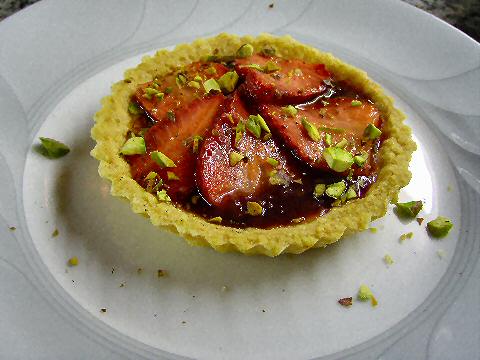
Tomatoes aren’t in season right now, at least not really sweet, ripe plum tomatoes like I’d used in the original dinner’s dessert. I thought about something like a cherry clafouti, as I’d been talking about one with a friend who’s now visiting for the week, but cherries, likewise, not in season. Strawberries have just come into the market – not overly sweet, but sliced and marinated in kirschwasser and sugar they come out brilliantly. The dough, a simple pate brisèe – 5 parts low gluten flour, 4 parts butter, 1 part sugar, pinch of salt, all mixed together to get a crumbly texture, and just enough water to get it to come together as a dough, lightly chilled, then molded into buttered tartlet forms, baked until golden, left to cool. Filled with mixed berry jam, topped with the sliced, marinated strawberries, and chopped, toasted pistachios. Done. All Hail Jupiter!
Copyright © 2026 SaltShaker. This feed contains copyrighted photos and text from SaltShaker. If you are not reading this material in a feed aggregator or by e-mail subscription, the site you are viewing may be guilty of copyright infringement. Please contact [email protected] so that I can take appropriate action.
Plugin by Taragana
]]>Mrs. Adams: “Malena fell down the cellar stairs!”
Virgil Adams: “Did she break any of our things?”
– from Alice Adams, 1935
Buenos Aires – Though he appeared, and often starred, in more than one hundred films during his career, Fred MacMurray is probably best known as Stephen Douglas, the patriarch of the My Three Sons family on television (and, I believe, his only television work). Of course, the show ran for twelve years on a weekly basis, which put him up there in front of us pretty regularly. Generally he was simply typecast as “the nice guy” in films, despite some of his best acting work being in other roles. This past weekend he joined our Casa SaltShaker honor roll of centenarians. My first impulse was to plan something around five different films, sort of the approach we took with Rosalind Russell, but then I recalled that in one of his early movies, Alice Adams, there was a long, involved dinner scene. It took a little to find a copy, but as soon as I watched the scene I knew it was the perfect approach to dinner. I didn’t want to recreate the dinner as it occurred in the film, because, simply, it was a comic disaster – but, there were five courses, vaguely leaning towards the French repertoire, and although not all of the dishes were detailed, there was enough there to work with. The movie, by the way, is a fun romantic comedy, and well worth finding and watching, even if just for the dinner scene.

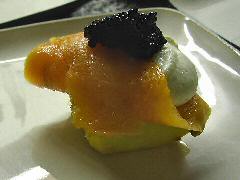 Real caviar is near impossible to obtain here, and out of the question for our dinners when it comes to the price of what is available. There is decent lumpfish caviar, both black and red, imported from Denmark for the most part, and occasionally salmon roe. Thinking about the latter, which I ended up not finding, I thought about the sweet potato and smoked salmon canapes we’ve started a couple of dinners with. The touch of some salmon roe added would have been perfect – but, lumpfish it was in the end as that was what was available.
All I knew about the soup course was that it was “too heavy for this hot weather”. We had the advantage of a cooler time of year, and I decided on a favorite “heavy” soup – a panade – a toasted bread and onion soup that is a classic. Credit goes back to online friend Pim from whom I originally got the recipe, and she got it from Paul Bocuse’s cookbook, and I’ve left well enough alone.
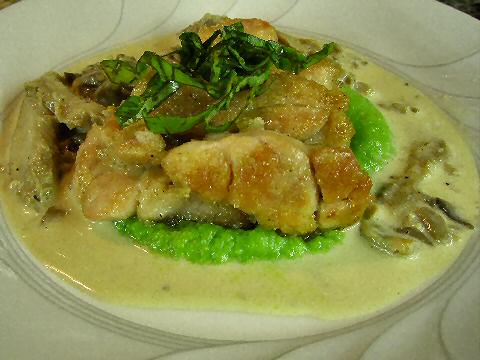
On to the main course which was stated as a filet (presumably mignon, though it’s never said), Brussels sprouts (over which a great fuss is made since none of the characters is quite sure what one is), and some sort of puree, presumably mashed potatoes. Originally I was going to go with a filet of lamb loin, but the quality of the lamb I found this last week was terrible. I found a couple of beautiful pork loins, rubbed them with salt and smoked paprika, and roasted them in the oven until just past medium, still juicy, but not pink. After letting the roasts rest, I sliced them, topped them with a puree of piquillo peppers and miso – have I mentioned I found a source for fresh piquillos? Remember those jars of two fire roasted piquillos for 18 pesos? I can get fresh ones for 20 pesos a kilo (around two dozen) and roast them myself! Aside the pork, a puree of smoked eggplant, and, some sauteed Brussels sprouts.
And finally, a dessert which was never identified in the movie, but looked like some sort of very soft pudding. My thoughts turned to butterscotch pudding, and from there to a pudding pie – using the cocoa crust on the bottom and chocolate ganache on top that I’ve prepared several times recently, I filled the inside with a freshly made butterscotch pudding. I would have liked a stronger butterscotch flavor to balance against the chocolate, but the pie came out nicely.
Happy 100 Fred!
Copyright © 2026 SaltShaker. This feed contains copyrighted photos and text from SaltShaker. If you are not reading this material in a feed aggregator or by e-mail subscription, the site you are viewing may be guilty of copyright infringement. Please contact [email protected] so that I can take appropriate action.
Plugin by Taragana
]]>“Romania has the majestic castles, medieval towns, great hiking and wildlife, and cheap skiing of much of the ‘undiscovered’ former Eastern Bloc…. Horse-drawn carts jostle for space against fast cars whose drivers are talking money on mobile phones; farm workers watch The Apprentice on satellite in their medieval farmhouses. No longer the weird kid of Europe it was under Ceausescu’s despotic tutelage, Romania is now making new friends and passed the entrance exams for NATO and the European Union with flying colours.”
– Lonely Planet
Buenos Aires – It was time to celebrate the “weird kid of Europe’s” birthday – or at least “Liberation Day”. Romania, or rather the independent states of Moldavia and Wallachia, secured their independence from the Ottoman Empire in 1856, unified in 1859, shortly thereafter changed their joint name to Romania, and were recognized internationally as an independent country in 1878, 130 years ago this past weekend. While Transylvania became a part of Romania until WWI, the two are often linked, though, I didn’t once think of Dracula during the planning of this meal. It just never occurred to me. I was too busy trying to figure out… well… how to make Romanian food interesting… to be quite honest.
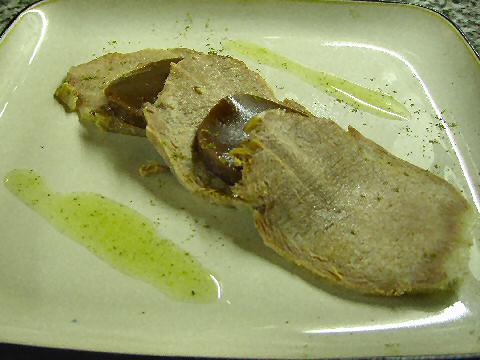
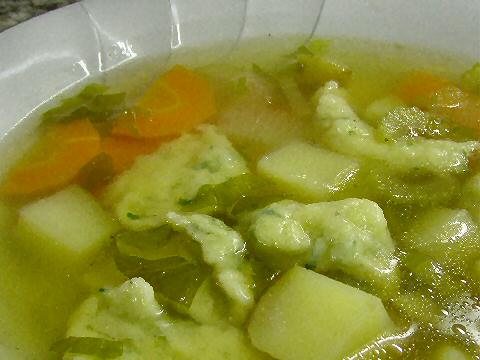
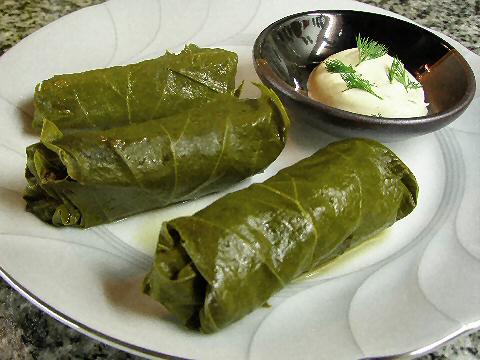
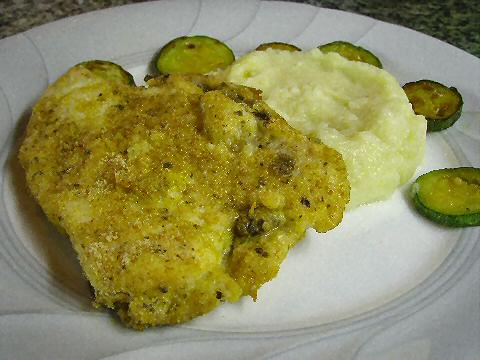
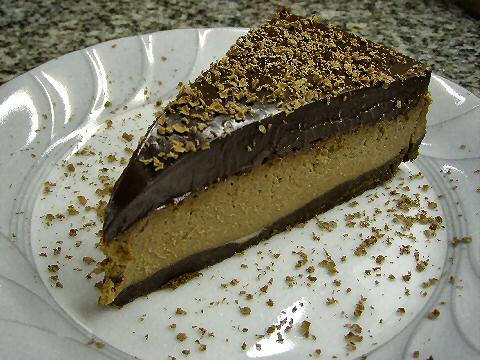
I am sometimes drawn to odd sounding dishes, and limba cu masline, or beef tongue with black olives, was certainly one of those. And while I toyed with the idea of it being the main course, I first relegated it to our third course, as the hot appetizer, and later, to first position, as the cold. Why? After all, it’s a traditionally hot dish, no? Of course it is, we all know that. I just had this idea, all of the sudden, and it gave me a chance to use one of those lingering ideas from the cocina de vanguardia class I took last year.
But tongue? Ewww… I hear the squeals from hither, thither and yon. But come on, over the last year we’ve served intestines and glands of one sort or another and not one peep. Really, not one. Put tongue on the menu and you’d think I’d suggested an evening of ritual cannibalism. Still, no one cancelled their reserevation because tongue was on the menu… I think. I mean, a few people did cancel and gave other reasons… hmm… No matter, their loss, really. Let’s just put it this way, one local acquaintance who came Friday, assuring me (and throwing down the gauntlet) that he liked neither Romanian food nor tongue based on past experiences, called me Saturday morning to ask if he could come back a second night and bring a friend! He ate his whole portion of tongue. Both nights.
Copyright © 2026 SaltShaker. This feed contains copyrighted photos and text from SaltShaker. If you are not reading this material in a feed aggregator or by e-mail subscription, the site you are viewing may be guilty of copyright infringement. Please contact [email protected] so that I can take appropriate action.
Plugin by Taragana
]]>Please don’t retouch my wrinkles. It took me so long to earn them.”
– Anna Magnani, actress
Buenos Aires – You may have noticed that recently our Casa S themes have been getting more and more offbeat – moving away from various Republic Days and Independence Days and such. It’s only semi-intentional – part of the problem is that as we’ve cycled through a second year, the weekends often fall only one day shifted from last year, and sometimes it seems that the only “major” events that happened on a given weekend are the same ones I considered last year. Sometimes. And part of it is just that it seems that an odd event just catches my eye instead of a holiday, or, a particular birthday. Recently we celebrated Carmen Miranda’s 99th birthday with a dinner that garnered great response – enough so that we ended up adding in a third day – and so how could I resist when I spotted that this last weekend was Anna Magnani’s 100th birthday (she, like Carmen, is no longer with us, having passed on in 1973 at the age of 65). If you don’t know Anna Magnani’s work, you should – she was an Italian actress, born in Rome, who played these great, gritty parts, and even won an Academy Award, Golden Globe, and New York Film Critics Circle award for her lead performance in The Rose Tattoo, where she starred in tandem with Burt Lancaster. My favorite of her films, at least those I’ve seen, is Mamma Roma. Were Anna with us today, I don’t know that she would have opted for Roman trattoria cuisine to celebrate her centenary, but she’s not, and I did.
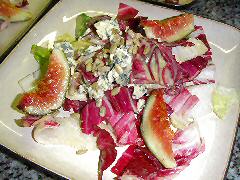 An Insalata Romana led off the evening – it may not be exactly traditional, nor trattoria based in its origin – actually in a way, none of this is – a true, traditional trattoria is a low budget, family restaurants where food is served primarily for take-out, or, if not taken-out, served up very casually, and family style, often at communal tables. These days trattorias in Rome are more like a French bistro, offering individual tables, menus, waiter service… things change. The Insalata Romana might also be known as a tricolore salad at some spots, given its base of arugula, radicchio, and endive – green, red, and white, for the Italian flag. Beyond that base, one can do a wide variety of things, and I chose to add a scattering of fresh figs, some crumbled blue cheese (local roquefort I’m afraid, no imported gorgonzola available here, not even domestic, strangely, given the Italian background of so many people here), and some toasted sunflower seeds for crunch. The dressing, loosely based on a cæsar – egg yolk, garlic, olive oil, balsamic vinegar, grated parmesan, and crushed anchovies. Traditional or not, it was a hit. Wine: Callia Extra Brut 2007, a sparkling blend of Pinot Grigio and Chardonnay – nice and crisp and light, great combination with the salad.
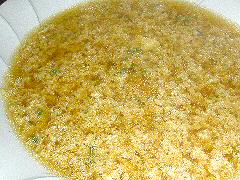 I would never let my Roman friends here me say it, but let’s face it, Stracciatella is simply proof that Marco Polo brought back more than pasta from China, he brought back egg-drop soup. I’ve made stracciatella before for dinners here, this time I decided to go with a darker, “brown chicken stock” instead of my usual “white chicken stock” (another post one of these days on the differences in how to make them… I hope someone is taking notes to remind me of all these things I’ve promised to get around to) – actually, that’s strangely not true – I made it once for these dinners with lamb stock and once with duck stock – but you’ll just have to take my word for it that when I make it for myself at home it’s usually white, or light, chicken stock. Into the boiling stock I whisked a mixture of 6 eggs, 6 tablespoons of semolina flour, 6 tablespoons of grated parmesan, 6 tablespoons of chopped parsley, and 1 teaspoon each nutmeg, black pepper and salt (sufficient stock for roughly a dozen bowls of soup). Wine: La Flor de Pulenta Sauvignon Blanc 2007 – my personal favorite Sauvignon from Argentina – crisp, dry, lots of grass and citrus notes, it made a nice contrast against the richness of the soup.
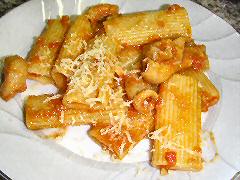 Roman cuisine, especially trattoria cuisine, is famous for its use of what the locals call “the fifth quarter”, i.e., after you’ve quartered the animal and cut it into its various steaks and chops and such, all the stuff you have left – offal – innards. One of the cuisine’s more obscure dishes is one called Rigatoni alla Pajata. Now, how do I describe pajata… it’s the small intestine of a calf, but… a calf that’s been slaughtered before it’s had anything to eat except mother’s milk… so it’s a really young calf, and normally calves are allowed to grow until they’re around 150 pounds or so before they’re considered a sufficient weight to use for food – so it’s rare that a calf this young is slaughtered, therefore rare that it’s intestines are available. The idea is that the intestines are cleaned, on the outside only – they’re tied off, and then basically poached in a tomato sauce – now remember, they’re full of milk and the natural digestive enzymes and you’re heating them – milk, plus digestive enzymes, i.e., rennet, plus heat equals… cheese. Literally. The milk inside the intestines turns into cheese. Now, here in Argentina, while they love their offal, they don’t kill calves until they’re older, and they’ve generally been grass-fed, so not just milk inside. We clean the intestines thoroughly, inside and out (an interesting process I’ll say and leave it at that for the moment). Then I snipped them into short lengths, and soaked them in milk, figuring they’ll at least pick up a little bit here and there – not that there were probably any enzyme molecules left by the time I was done cleaning them. So what I’m trying to say is this is more of a take-off on the traditional dish, okay? The sauce – lots of sliced garlic and lots of chopped celery, cooked in olive oil until soft and starting to turn golden, then added the intestines, cooked until most of the liquid has evaporated, added a cup or so of white wine, roughly 4-5 cups of crushed tomatoes, and a couple of tablespoons of tomato paste. Cook the whole thing down over low heat until it forms a thick sauce and the intestines are completely tender – roughly two hours. Toss with rigatoni, grate some cheese over the dish… it wasn’t as good as the original I’ve had in Rome, but it was really quite good, and surprisingly, no one seemed to balk at the idea of eating it. Bravo to all the guests! Wine: Weinert “Montfleury” Rosado 2007 – a very ripe, bright, and bold rose blend of Cabernet sauvignon and Malbec that had the body and spice to stand up to this dish.
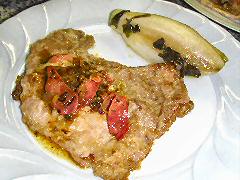 There’s a good chance you’ve all tried some form of veal piccata, fried veal scallops with lemon and parsley – the original is similar, and is called Frittura Piccata – it’s pounded thin scallops of veal, lightly floured, fried in butter with thin slivers of chopped prosciutto, then the pan is deglazed with freshly squeezed lemon juice, a little bit of veal stock (I didn’t make a separate veal stock just to have half a cup of the stuff, I used some of the brown chicken stock from the soup), a handful of chopped parsley, and seasoned with salt and black pepper. This sauce is poured over the veal scallops and served. And that’s what I did – no frills, nothing fancy, it’s a simple dish and it should stay that way. To accompany it, an Indivie Intere “a Crudo”, or braised whole endive – a really easy to make side dish – thoroughly wash the endives, trim off some of the bottom stem if need be, and remove any outer leaves that are somewhat loose, or browning, you want the endives nice and tight and compact. Put them, still dripping wet, in a pan with a few crushed garlic cloves and a handful of coarsely chopped mint. Drizzle some olive oil over them, cover the pan, and cook over medium heat until they’re nice and tender – just letting them steam in their own juices with the added flavors – it’ll take about 20-25 minutes, depending on how soft you want them – they should still really be firm, but cooked through, not falling apart like they’ve been braised. Wine: I knew I wanted a Sangiovese, though it’s a classic of Tuscany, north of Rome, there’s still lots of it served up in Roman trattorias and it’s also used a fair amount in the local wines of Lazio – this is one of my favorites from Argentina, the Escorihuela Gascon Sangiovese 2004, big, rich, and spicy, and it worked great with the veal dish without overpowering it.
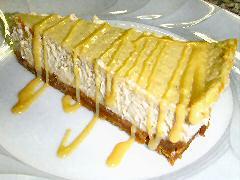 I started with the idea of a Budino de Ricotta, which is more or less a Roman fruitcake made with lots of ricotta studded with raisins and candied peels of various sorts and flavored with cinnamon. I’m not a big fan of most candied peels of fruits, so I decided to cut it back to just the raisins and a little bit of grated lemon and orange peel, and since, well, people seem to like my cheesecakes, made a ricotta cheesecake with golden raisins, the grated peel, and cinnamon. I had some dulce de leche left from the batch I made for the private dinner on Thursday, and warmed that up and drizzled it over the top. It worked for me, and seemed to for pretty much everyone else, though this one didn’t get quite the raves that my cheesecakes normally do… maybe raisins just don’t belong in cheesecakes… something to consider. Wine: one of our regular dessert wine contestants, the Finca El Retiro Tardío 2004 paired off nicely against the ricotta and made for a nice finish to the meal.
So, go out and rent some Anna Magnani videos, enjoy the films, and raise a glass to Mamma Roma!
Copyright © 2026 SaltShaker. This feed contains copyrighted photos and text from SaltShaker. If you are not reading this material in a feed aggregator or by e-mail subscription, the site you are viewing may be guilty of copyright infringement. Please contact [email protected] so that I can take appropriate action.
Plugin by Taragana
]]>