The worst and the best
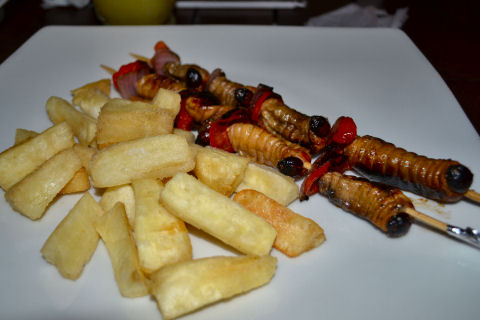
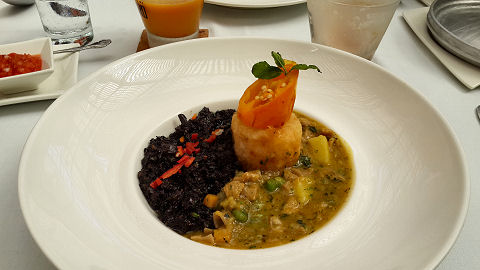
While we didn’t get in a bunch of small vacations this year, we did take a solid four weeks during July and early August in Peru and I continued on to La Paz in Bolivia – starting with this post and continuing on. The whole experience was amazing, particularly the time in and around Iquitos in the Amazon Basin, though, too, I loved my time in La Paz, and I got to spend a bit of time exploring Lima on my own for a change. I can’t say that I was blown away by any of the food I had on this trip, as I have been in past years. We had some great meals, at La Picanteria and Central in Lima, Fiesta Gourmet in Trujillo, and at Gustu in La Paz, and I got some great inspirations for things that I’ve been playing with since, but surprisingly, not a single dish that I’d put up there as an “I have to eat this again” or “you must go here and eat this”. I tried suri, palm grubs, grilled in Iquitos, Peru – something I hope never to have to eat again. Maybe I’m being hasty, I was pretty blown away by the chirimpico dish at Fiesta Gourmet, and while not the overall most interesting meal of the trip (an honor that goes to Gustu), it was probably the best overall meal of the trip.
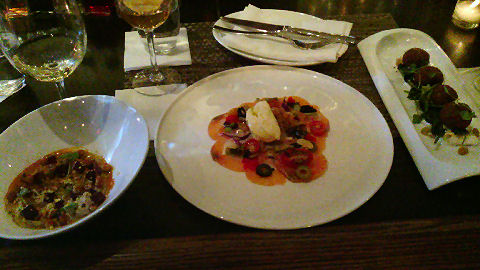
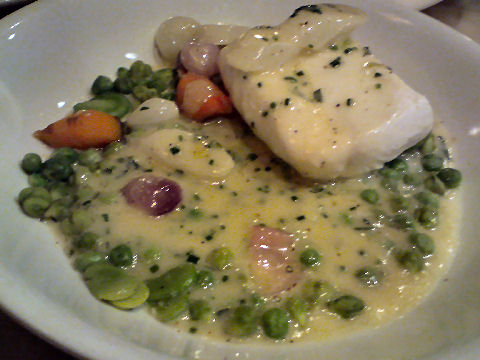
I also put in about 10 days in the States, half of it in NYC and half in WDC, the first time I’d been to the latter in many, many years – starting here. Standout dishes of the time in NYC were the salmon and scallop carpaccio at Malibea, a new tapas bar in the West Village. Best meal of the trip was at Calliope in the East Village. Easily the worst meal, Mission Chinese, so over-hyped given the poor quality of what was on offer that I’m amazed no one has called them out on it. The emperor, new clothes, and all that (then again, at least in my circle of friends, mostly in the restaurant biz, nobody liked the place). I understand they’ve closed up shop to rethink their concept, so maybe it was more of a flash in the pan than everyone was making it out to be. In DC, most of the eating revolved around family wedding events and I can’t say that much of it stood out, though the shrimp and grits at Ben’s Next Door was far and away the best dish of the days there. That part of the trip stands out for me in particular because it was the last time I got to spend time with my Uncle Phil, who passed away later on during the year, suddenly (a particularly awful week in which he, two friends, and the mothers of two friends, one from childhood who I grew up with knowing well, all passed away within six days left me reeling a bit).
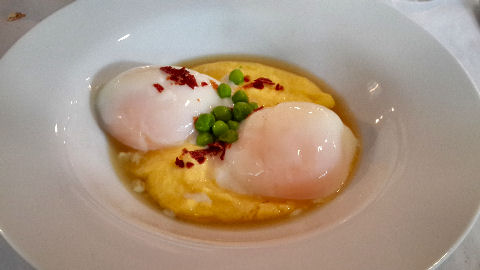
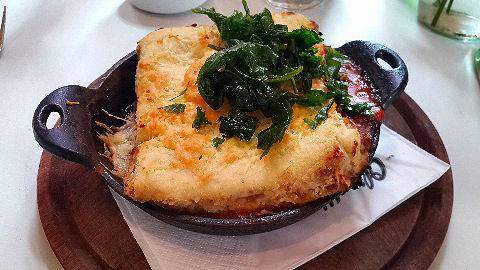
Closer to home, new restaurant hit of the year has got to be Astor, which I still have yet to give a full write-up to. I was also blown away by the great lasagna at Trattoria Olivetti recently. But again, I don’t think I had a single truly “wow” meal anywhere this year. Given how good many of the meals in recent years have been both on vacation and here in BA, that’s both surprising and disappointing. Best meals this year in BA were at El Burladero and Tarquino, but neither was new to these pages nor the city.
On our end, Casa SaltShaker saw business stay roughly the same, with 144 dinners – 1307 people. I’m not going to list off all the allergies and special requests again this year, suffice it to say they kept apace. I did track them for a year to see where the requests came from and with the exception of maybe half a dozen shellfish allergies, every single request came from the US, Canada and UK (London specifically). Now, we do have a preponderance of guests from those places, but they only make up about 55-60% of our business, so not in line with roughly 99% of the allergy claims. Whether it’s the rising amount of food allergy problems in those areas in particular, or as I’ve mused in the past, that some of it is just people’s way of getting around dislikes, I don’t know. I will note that the three most unusual ones were allergies to honey, raw bananas, and juniper berries, none of which I’ve encountered before – and, notably, the woman who claimed the allergy to juniper berries didn’t tell us until after downing a gin cocktail (with no ill effects), and her basis for the claim, it turned out, was that she’d felt bad a few years earlier after sharing a pitcher of martinis with a friend over lunch….
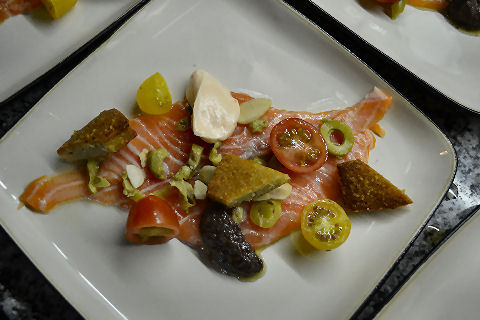
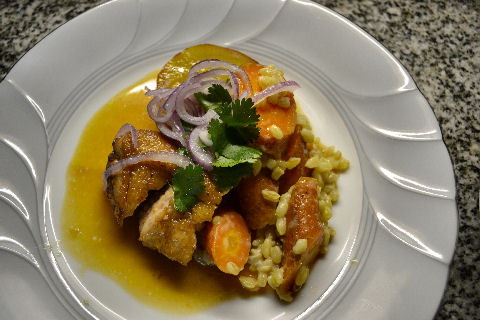
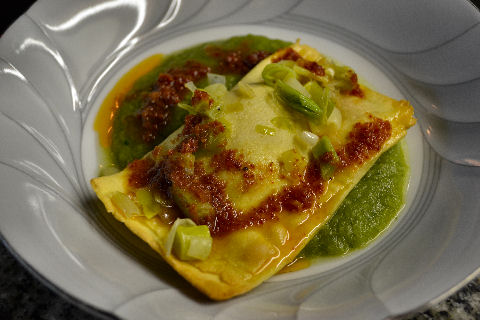
Favorite dishes of the year that I produced pretty much all came post vacations, and all based on new interpretations of ideas I encountered. The aforementioned salmon and scallop carpaccio became a salmon ceviche with various mediterranean elements, including spending some time figuring out a savory garlic financier. Also a reworking of our duck ceviche after trying the one at La Picanteria in Lima, and our now quite popular Raviolones Loretanos.
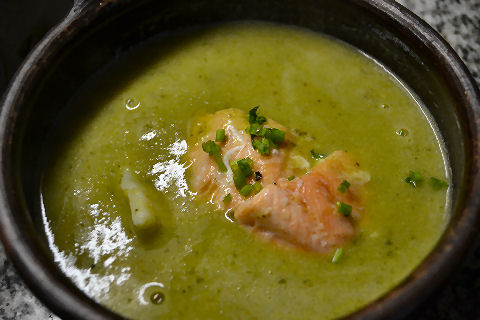
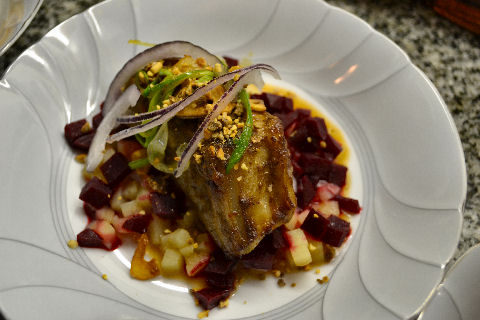
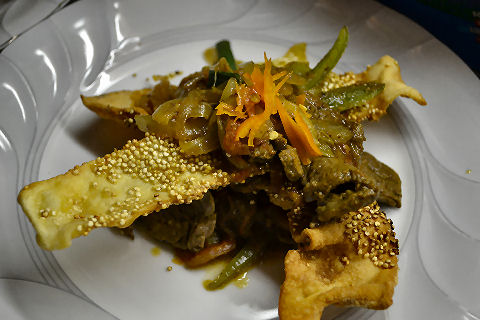
Outside of those, I think the best dishes I’ve produced are the new timbuche cilantro and freshwater fish soup, a new version of puka picante, a spicy beet and potato based dish, and lomo saltado with crispy quinua pappardelle. In fact, if you look at what were our best dishes this year all around, they’ve tended to be our fusion between Andean and Mediterranean cooking – which is the focus I’m on these days. More to come.

For those who haven’t been following along, the biggest food project of the year has been my 92 bus pizza trek. Among the more interesting events of the year, an all-puertas cerradas catered charity event at the Australian Embassy that we participated in.
Best television this year, for me, unquestionably House of Cards, The Blacklist, The Newsroom, and, of course, the continuing adventures of the gang in The Big Bang Theory. Read a lot, saw quite a few movies, none of either stood out other than some food related books (most interesting of the year were the trio from Arzak restaurant in Spain).
So, overall, other than the vacations, kind of a yawn of a year. Maybe it’s the let down from not having a Mayan Apocalypse to look back at. In fact, I just mentioned to a good friend here that we’ve both spent way too much time working and running around and not having a whole lot of fun this last year. But at least it means 2014 is wide open to impress.
Copyright © 2026 SaltShaker. This feed contains copyrighted photos and text from SaltShaker. If you are not reading this material in a feed aggregator or by e-mail subscription, the site you are viewing may be guilty of copyright infringement. Please contact [email protected] so that I can take appropriate action.
Plugin by Taragana




 ]]>
]]>
Currently the book is only available from the print on demand service at the publisher. In about 6-8 weeks it should show up at various online retailers like Amazon and Barnes & Noble, though that’s always subject to, simply, however long it takes them to get the distribution set up. E-book versions generally start to show up shortly thereafter.
Copyright © 2026 SaltShaker. This feed contains copyrighted photos and text from SaltShaker. If you are not reading this material in a feed aggregator or by e-mail subscription, the site you are viewing may be guilty of copyright infringement. Please contact [email protected] so that I can take appropriate action.
Plugin by Taragana
]]>
Copyright © 2026 SaltShaker. This feed contains copyrighted photos and text from SaltShaker. If you are not reading this material in a feed aggregator or by e-mail subscription, the site you are viewing may be guilty of copyright infringement. Please contact [email protected] so that I can take appropriate action.
Plugin by Taragana
]]>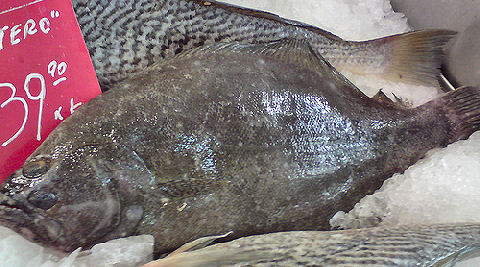
Let’s start with a couple of more common ones, in this case, the Lenguado (Paralichthys orbignyanus), or Large-Tooth Flounder, found off the coasts of northern Argentina, Brazil, and on the other side of the continent, very common in the coastal waters of Peru. Ranging from fairly small to just shy of two feet in length (20-50cm), this is a flatfish that has a very delicate flavor, virtually no spines, is easy to work with, and absolutely delicious. In Peru it’s generally considered the finest fish to use for ceviche, and that’s what we tend to use it for as well, though given its cost, it’s not used as often as some of the other fish available, particularly in casual cevicherias. Here, it’s getting fairly expensive and I’ve recently seen prices that range anywhere from 70 to 95 pesos a kilo.
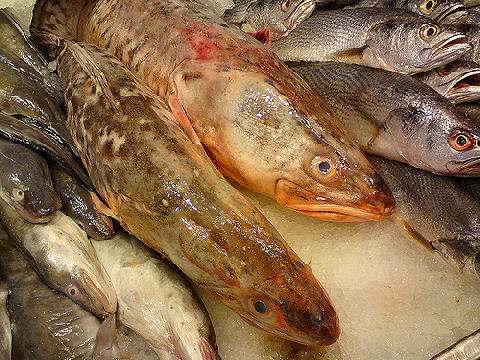
Next up, the fairly common and also fairly pricey Abadejo (Pollachius pollachius), or Pollack. A meaty white fish, the fillets tend to be thick, often as much as 3 centimeters, or a bit over an inch, and are great for baking, broiling and grilling. They tend to have a thin belly flap that most markets here leave attached, and most of the bones seem to be in that flap, making it fairly easy to simply slice off. You will find a few scattered pin bones in other parts of the fillets but they’re also quite easy to remove. These are fast growing fish that can get fairly large, coming in at 30-50 inches in length, 75-125cm, and the larger ones can weigh in at close to 40 pounds, 18 kg, though those aren’t commonly seen. One more economical thing to look for, these fish are big enough to have cachetes, cheeks, that are great to use in fish chowders and stews as they hold together nicely (just remove the single cartilage disk from each), and usually running about half the cost of the fillets.
Recipes: Abadejo a la chanfaina
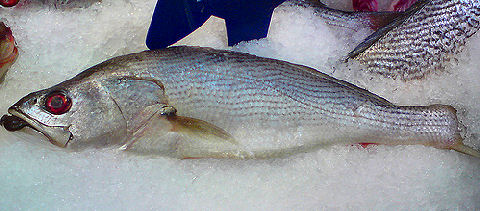
In the same family as the Corvinas that I covered in the last post, the Pescadilla (Cynoscion striatus), a type of Drum called the Striped Weakfish. These fish run about 12-18 inches (30-45cm) in length and, I’ve often seen them displayed at some of the less reputable fish markets as the more sought after Corvina. Personally I’m not fond of the fish, I find it to be kind of flavorless and the fillets tend to shred or flake apart when cooked. I haven’t even seen many interesting local recipes for them – mostly they seem to be baked whole, stuffed with herbs or some other filling, or used chopped up as filler in fish stuffings or ground as part of fish patties or balls. I suppose they might help fill out a gefilte fish recipe paired with other fish.
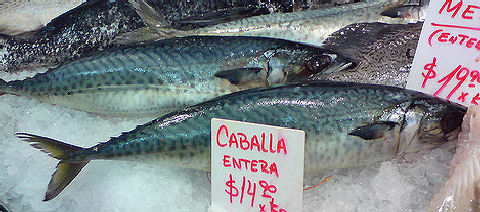
The Caballa (Scomber japonicus), or Pacific Chub Mackerel, comes from the other side of the continent and differs only slightly from the Atlantic Chub Mackerel, which, as best I can determine, isn’t available here as it comes from the Mediterranean and the Black Sea. I rarely see these fresh here in town – now and again at some of the better markets. They do show up canned on supermarket shelves, often layered with an herbed tomato sauce. Henry likes to use those tossed with pasta. Fresh, I don’t often use mackerel, but they’re great for sashimi if they’re very fresh, and I’ve cured them or smoked them and used them on a cold fish appetizer plate a few times. Typically they’re relatively small, under a foot (30cm) in length, though they can grow to double that size.
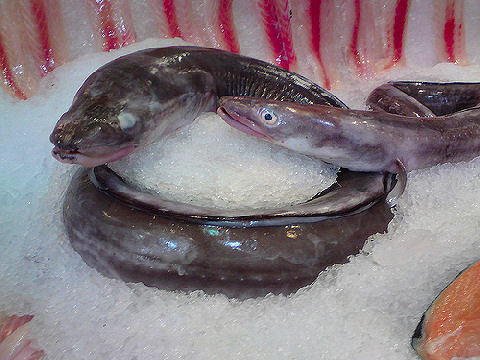
I almost never see this fish, or eel, the Argentine Conger – Congrío (Conger orbignianus). Bluntly, eels are a pain in the ass to cook with, just peeling the rubbery skin off and then filleting them without hacking them to pieces is more work than I’m usually willing to put in. Still, now and again, smoked eel or pickled eel, or who knows, maybe and eel pie might be in order. And, of course, they’re the classic fish used in Chilean caldillo de congrío, though I often use the aforementioned pollack cheeks as they’re texturally similar and much easier to obtain. They’re a long, skinny fish, running over a meter in length on up to about a meter and a half (39-60 inches), but they’re so thin that there’s not a lot of meat on the fillets. When it comes down to it, I think I’ve seen them here twice in eight years, so not something that shows up on the typical bed of ice.
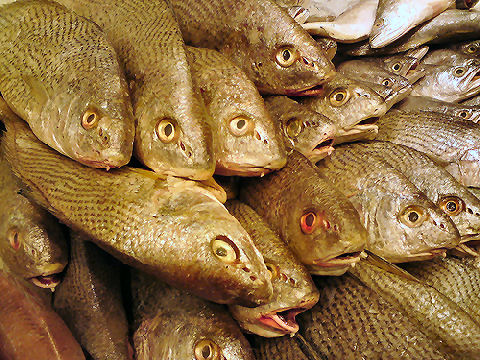
Another fish I rarely see, though more and more common in Barrio Chino, is the Pargo (Umbrina canosai), or Argentine Croaker. It’s often touted as Red Snapper or just Snapper on menus, but it’s really a completely unrelated fish to that family, though outside of Argentina that can be a correct translation. Just not here, where the closer fish to the snappers would be the Besugo that I covered in the last post. Still, these fish have a similar flavor and cook up nicely like snapper, so it’s not a far stretch to use them in place of one in a recipe. I like to fillet them and cook the fillets with herbs and vegetables all wrapped up in foil or parchment paper – they hold together nicely and cook up to a very delicate and delicious meal. The fish run a little over a foot in length when fully grown, somewhere around 35cm.
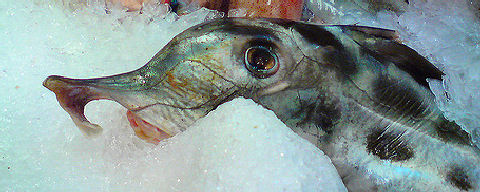
Although this showed up one day in the market as a Pez Angel, or Argentine Angelshark, it’s clearly not if you look at any photos of that tasty beast. It’s a Pez Gallo (Callorhynchus callorhynchus), officially a Plownose Chimaera, though more commonly referred to as an Elephant Fish (and sometimes called Pez Elefante, since “gallo” would be a rooster). This is the only time I’ve ever seen one whole, they’re quite common already filleted, and not all that interesting – usually just filled with cartilage that make them near impossible to work with. Although I see them all the time ready for cooking, no one’s ever given me a decent recipe for them, and they’re usually sold pretty cheaply. In fact, a search for recipes yielded pretty much nothing. I’ve tried working with them and at best end up with some cubes of meat that can be added to a chowder or stew.
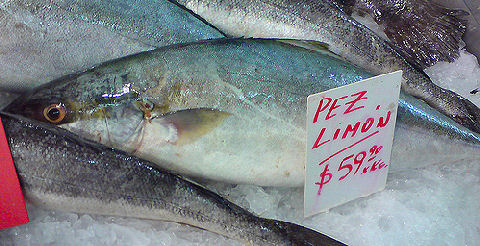
And finally, for this post anyway, the Pez Limón Seriola lalandi, or Yellowtail Amberjack. These fish come in everywhere from small to huge, they can hit 250cm or 100 inches in length and are a great sport fish. This is a close relative to the yellowtail that we know and love in the States in sushi bars as hamachi, though a different species in the same genus. And, at a couple of the better sushi bars in town it has sometimes been available and tastes fairly similar. I’ve actually not worked with this fish at all here, so can’t give any personal recommendations, but many of the recipes I’ve seen tend towards Asian flavors, to which it likely takes quite well. Gives me some ideas for things to try out soon.
And, on we go. Next time, we’ll see what other fish are out there in the markets.
Copyright © 2026 SaltShaker. This feed contains copyrighted photos and text from SaltShaker. If you are not reading this material in a feed aggregator or by e-mail subscription, the site you are viewing may be guilty of copyright infringement. Please contact [email protected] so that I can take appropriate action.
Plugin by Taragana
]]>Henry headed off on various little trips this year – a vacation in Peru with his family that I didn’t join him on this time on the side of a workshop that he was leading in Lima for tango. They liked his workshop so much that they invited him back a second time this year and so he had another, shorter trip to Lima to repeat it. And, a similar venture up in Córdoba, here in Argentina, twice again – once for a couple of weeks as part of an annual folklore festival and a second time just for a day’s workshop. All this comes on the heel of him graduating with his licensiado in folklore dance. He’s also back at the university taking some graduate level courses in show tango and teaching. All of that amounted to that we didn’t take our annual vacation together in 2012 – we’ll have to make up for it in 2013.
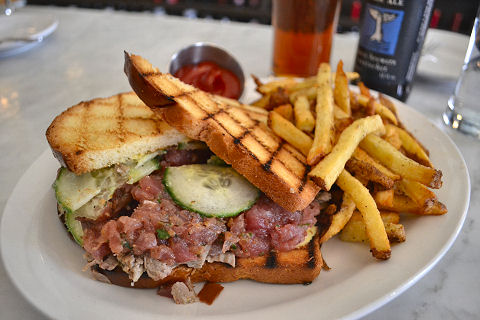
On my end, a two-week visit to New York and Boston kept me hopping around. First time really exploring any of Boston and I only had two and a half days, but it was fun to see a bit more of it than I have in the past. While I had some really good meals in both places, I have to admit that nothing truly stood out as a wow experience, though some quite good dishes – particularly a fluke crudo at Casa Mono, braised baby goat at SD-26, scallops with sorrel and meyer lemon at NoMad, and a grilled artichoke and cippolini onion salad at North End Grill, all in New York, a great flatbread pizza at Carmine’s, and, well, hmmm, maybe the best thing I ate in terms of simply “I want to eat that again, and again”, a tuna tartare and roasted veal sandwich at Neptune Oyster, both of those in Boston.
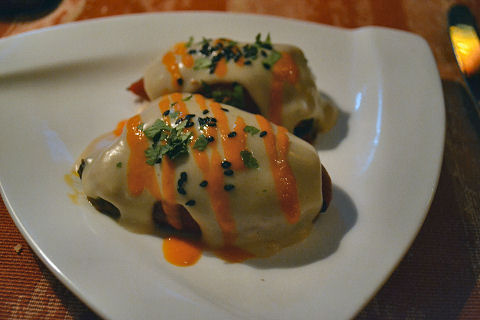
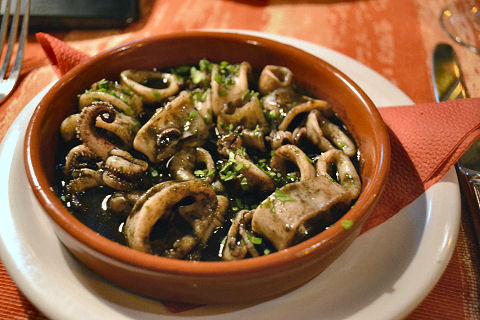
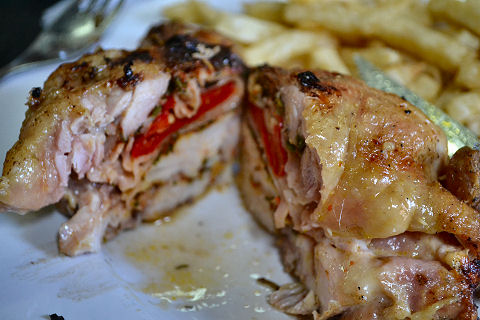
A several day trip to explore neighboring Uruguay’s capital of Montevideo. Generally I was impressed with the high quality of the food, though it is noticeably more expensive than dining out here in Buenos Aires. A truly excellent meal, and one of the best I had this year, at Tandory – lamb-stuffed piquillo peppers and calamari stewed in its own ink were just plain stunningly good. Still, in some ways, kind of like my NY/Boston experience, the dish that stuck with me after leaving was the pamplona at Estancia del Puerto in the old port marketplace.
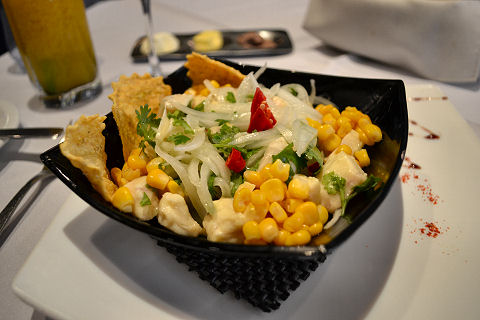
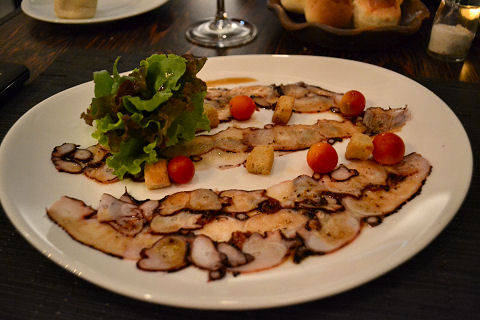
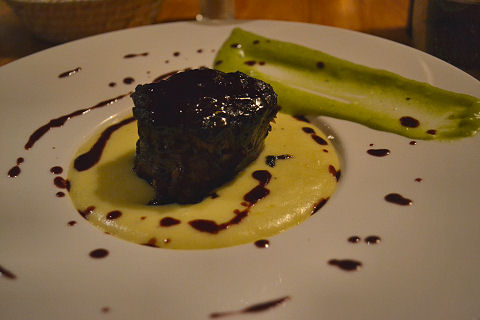
Likewise, a good time had exploring Paraguay’s capital of Asunción for a few days on my own. I was warned that it wouldn’t be very interesting and that the food wasn’t very good, but I found it completely to the contrary – a fascinating city and while maybe not, for the most part, world class food, I enjoyed exploring the local traditional cuisine, particularly different preparations of surubí (Brazilian tigerfish) including an excellent ceviche at Bolsi, and at a couple of higher end spots I had some truly excellent dishes – the standouts being an octopus carpaccio at El Dorado and a braised oxtail at Tierra Colorada.
Outside of vacations, a lot of work. I took on a weekly recipe column for the Buenos Aires Herald – I have to assume that the editors and the readership are generally happy with it since what was originally planned as a short stint of a few weeks has now gone on for nearly a year. I had hoped to take on the restaurant review column when Dereck Foster retired this year, and it was the reason I agreed to take on the column in the first place, but unfortunately it went to someone else. We shall see where things go.
I also spent a fair amount of time putting together two walking tours for an iphone app, unfortunately, Rama Food Tours went belly-up. I await my whopping $4 or so in profits from the few sales that happened before they stopped selling the tours, and hoping that their goal of selling the licensing and the tours to someone else comes through. Otherwise, I may just do a little blog post shortly that includes all the info.
At the same time, I was busy working for Fodor’s on updating their dining guide for Buenos Aires. It’s a work in progress – the editor I started working with asked me only to update the reviews on the 35 or so out of 100+ that hadn’t been re-reviewed in roughly 4-5 years, plus add in some new favorites and remove places that either no longer existed (among which two had been closed over five years earlier, so they’d been included in two past editions even though they didn’t exist). It was my first real intro to working for a major travel guide and it’s an interesting mindset. I’ve already proposed to the new editor that for the next edition a major overhaul is in order – too many restaurants touted as “the best X in town”, and simply, at this point, places that haven’t been checked out in several years. On a personal level, I’d like to see it really reflect the current dining scene in BA. Finger’s crossed – and waiting to hear from them of how they want to proceed in the future.
All of that has meant a lot of delays in working on my own book, the story of Casa S and recipes, but starting with the new year that’s my primary project to complete. Updates as there are any.
And, on to Casa SaltShaker and a little breakdown of how things went this year. Despite all the dire predictions of economists, expats, etc., we saw a significant increase in business – 155 dinners versus last year’s 124 – that’s a 25% jump and means we averaged roughly 3 per week, though with the above mentioned vacations it means that many weeks we actually had 4 or 5. All told, 1411 people sat down to eat (with some of those being repeats), a 14% increase over last year – the reason it likely doesn’t equal the increase in number of dinners is that towards the end of last year we made the change from having two tables, of 8 and 4, to the single table of 10. Sixteen of those dinners were private events including one that was an “out catering” job in Palermo. Roughly 50% of our guests were from the US, 15% each from Canada and Argentina, and then the remaining 20% split between a wide range of countries.
Our deposit system seems to be working – a mere 30 people cancelled at last minute, generally not giving us sufficient notice to replace them, but at least a portion of costs was covered; surprisingly, five parties of two simply no-showed, including one that had prepaid in full – only one of those parties did we ever hear from again (we do followup to try to make sure the folk are okay and something didn’t happen to them). I understand that emergencies happen, I don’t understand the lack of communication, perhaps an apology. Maybe I was just raised different. Or, maybe something did happen to them – but I don’t know, I somehow doubt it.
I’m not going to do a whole list of allergies and such this year – I did notice a fairly hefty increase in the number of requests for pescetarian meals in particular. I also noticed that the term “vegetarian” has been truly co-opted for a multitude of diets that ranged from folk who really are either vegetarian or vegan to any number of combinations that included various types of shellfish, fish, poultry and even red meat. Whatever. People can label themselves how they want, but sorry, participating in “meatless Mondays” doesn’t a vegetarian make. As long as I know what the details are, however, it’s all good on this end.
Favorite dishes produced here this year?
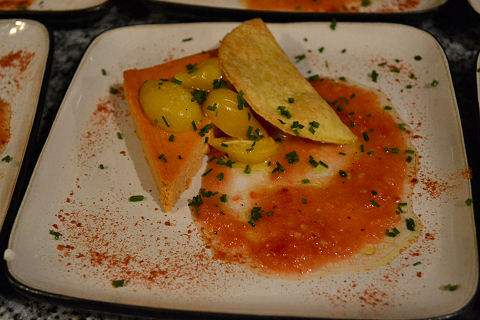
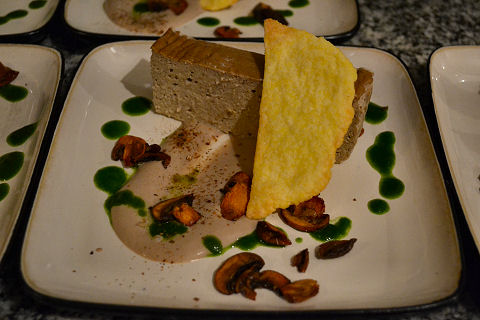
Textures of Tomato, and Textures of Mushroom
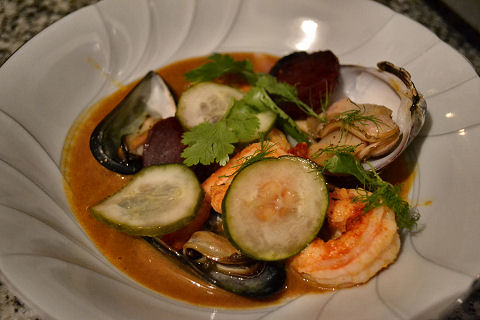
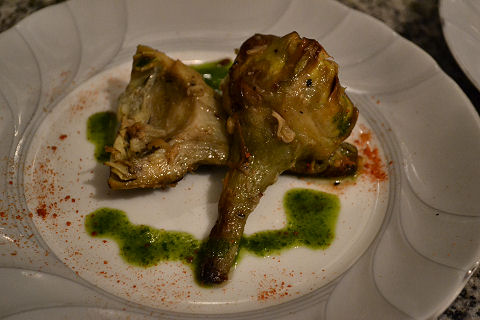
And the simple, but so delicious, Artichokes en Escabeche.
An aborted attempt at starting a new casual night once every week or two that would be more experimental, cheaper, and casual, and which I’d join the table and we’d have a bit of conversation about the food – the idea being to try out some new ideas. We had one night fully booked and while it went reasonably well, I found it difficult to put my attention on the cooking when I was also attending to the dining room. When we only got a single person reserved for the second scheduled night I decided to drop it and rethink it for down the road.
At some point during this last year we moved our way up into the top ten restaurants in BA on TripAdvisor, after last year’s debacle with them detailed in my round-up of 2011. We made it all the way up to number four, and then have bounced between there and roughly number twelve for the rest of the year. Interestingly, of the top ten, the majority are puertas cerradas restaurants, including one that isn’t even open anymore other than a very occasional pop-up, and also a coffee shop. One never knows where those votes come from…. To their credit, TA has gotten much better in the last year at responding to questions and reviews that just don’t seem right, including removing two negative reviews, one of which they determined was a complete fake purporting to be from someone in Australia but actually coming from someone here in BA (competitor? or just someone with an axe to grind?), and the other from someone who’d never eaten here but was upset that we’d never responded to his e-mails – we had, just all of our responses were in his spam box, where he found them a week later – to his credit, he sent us an apology.
Enough about the restaurant, hmmm, the blog. This year I don’t know that I had a favorite post in particular, though it was definitely fun running through my tours of Montevideo and Asunción mentioned above. I also really liked the Foto Ruta tour and the photo results that I got. At the end of the year we got a nice award from the new “Expats Blog” forum – it was, in truth, just a popularity vote of whomever one could round up to click on a link and write a comment – I have to admit, I’d hoped more of my friends and family who regularly read the blog could have put forth the effort, especially given how many of them I’ve supported in their ventures with write-ups and online votes for their work, but, so be it. We got a lovely little bronze ribbon to display.
And, I’ll finish up with the latest, greatest, and worst in restaurants here in BA this year.
Favorite new spots – Tarquino
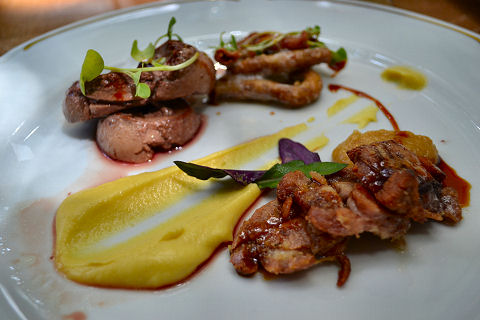
and my favorite dish there of “frutos de vaca” – a mixed offal plate, and El Burladero
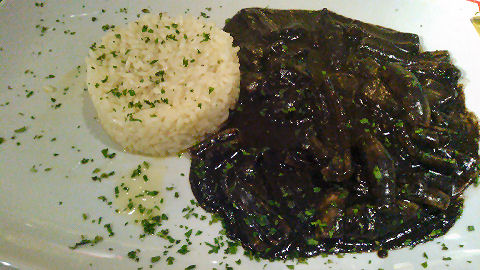
where I’ve liked everything I’ve tried over, now, six visits, with my favorite so far being the calamari cooked in their own ink.
I also enjoyed some interesting and intriguing dishes as Aipim, Chila, Leopoldo, and iLatina – the first three of which are written up, the latter, not yet. I wasn’t necessarily wowed by the places, but each had plenty to recommend it.
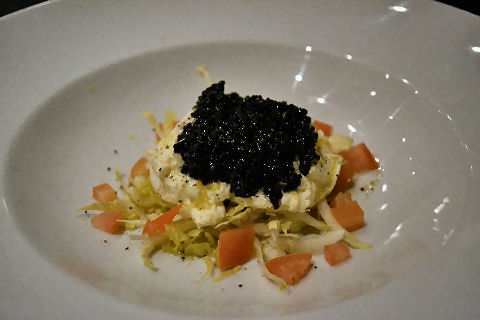
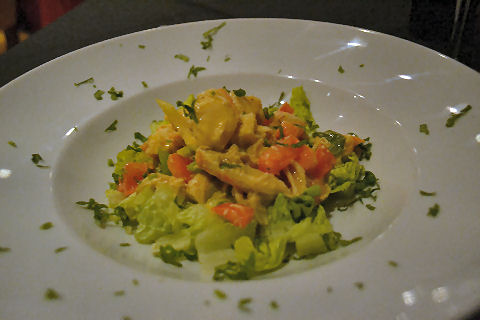
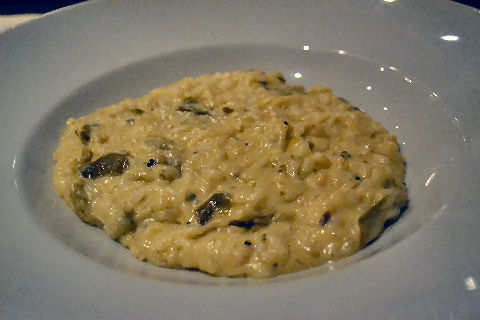
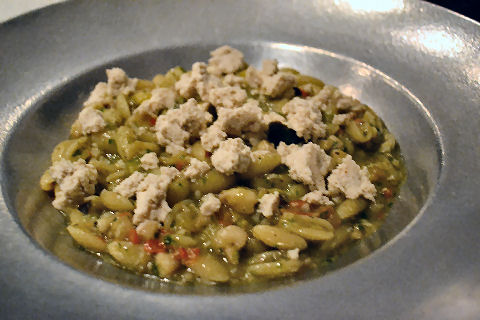
And, I suppose, one must face the worst meal of the year. I’m actually really sorry that it was at the place it was, an Italian restaurant highly recommended by several friends, and at which the chef not only recognized me, but then asked if he could prepare a special tasting menu for me of things that weren’t on the regular menu (oh, I wish that I’d just eaten from the regular menu, which looked far more interesting in the end, and which, given the chops of the folk who’ve recommended the place, I will have to go back and try at some point). After four truly appalling appetizer plates of food, none of which I was able to eat more than a bit of they were so bad, and a bottle of wine that he sent to the table, slapdash service, and he slapped me with an outrageous bill for 500 pesos at the end. It was so awful I couldn’t even bring myself to write it up, nor am I going to name the place, though local food folk can probably figure it out. The four plates – a burrata, one of my favorite cheeses, smothered in cheap caviar and served over vinegary chopped tomatoes and fennel; a lobster salad that was chunks of still partially frozen, mealy pre-cooked lobster meat over shredded iceberg lettuce, drowned in a sickly sweet mustard sauce; a risotto that was jammed with gratings of black truffle and truffle oil and was so gluey that I could have flipped the bowl over and left it sitting and not a grain of rice would have fallen to the table; and packaged pasta that were so undercooked they were crunchy, in some sort of insipid vegetable broth with bits of grainy “fresh” cheese on it that were anything but fresh. Okay, there, I’ve written it up as much as I’m willing.
And, of course, not to forget or give it short shrift, but after eight years together, Henry and I tied the knot in October. There were a lot of reasons we waited so long and a few more of why we did it when we did it, but, we’re officially wedded.
And that’s some of the interesting stuff from 2012, tied up in a ribbon. Vamos 2013!
Copyright © 2026 SaltShaker. This feed contains copyrighted photos and text from SaltShaker. If you are not reading this material in a feed aggregator or by e-mail subscription, the site you are viewing may be guilty of copyright infringement. Please contact [email protected] so that I can take appropriate action.
Plugin by Taragana
]]>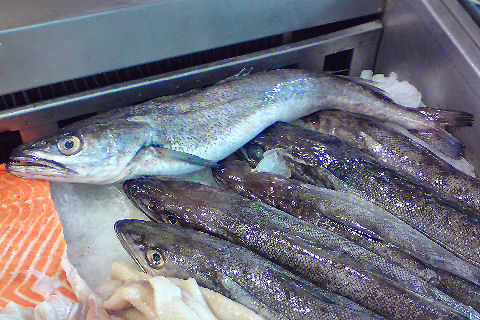
First up, the most ubiquitous of all fish in this country, the merluza – Merluccius hubbsi in Latin terms. The Argentine Hake, not to be confused with the European Hake (Merluccius merluccius), a similar, but bluntly, higher quality fish of the Mediterranean that’s much used particularly in Basque cuisine. Nor to be confused with the merluza negra here, a completely unrelated species of fish that we commonly call Chilean Sea Bass. This fish, one of several in the family, exists only along the Argentine, Uruguayan and southern Brazilian coast, with its concentration found off the coast of Patagonia and stretching to the Falklands/Malvinas. It’s a very neutral tasting white fish, easy to cook with and very forgiving. It tends to be the cheapest offering a lot of the time and even when other fish are hard to come by you can almost always count on its availability. The fish can grow to about 95cm/3ft, and weigh in at up to 5kg/11lb, though most of what we see tend to be far smaller. It’s a fish I tend to toss into fish stews and chowders where it’s mixed in with other varieties and shellfish, it almost provides more texture than it does flavor.
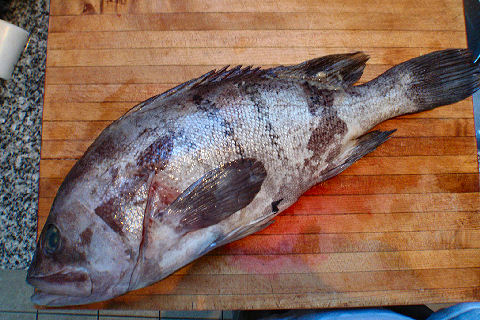
The mero – Acanthistius brasilianus (or braziliamis) is the Brazilian or Argentine Sea Bass and is a rather pretty member of the Grouper family that covers some other sea basses, groupers and wirrahs. It’s a firm-fleshed whitefish that’s popular here in Peruvian restaurants for ceviche, it also makes for a great grilling or pan-roasting fish as its fillets tend to be thicker and firm enough to stand up to that sort of cooking. I also find it easy to work with, the spines are quite simple to remove and not numerous, the skin is easy to scale and grills up nice and crisp if you like to leave it on. It’s easily one of my favorite local fish to use when I want a good whitefish. The mero can grow to about 60cm/2ft. It’s distribution runs, again, from the southern Brazilian coast down to Patagonia in the Atlantic, though tends to be closer in to the shoreline, almost more of a brackish water fish.
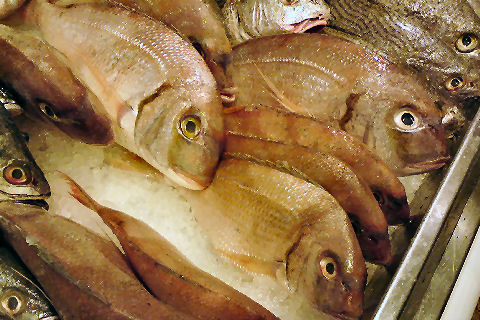
These are besugo – Pagrus pagrus, what we would call a Red Porgy or Common Seabream. Although typically running only about 50cm/20in, they can grow to nearly double that. Distribution is along both Atlantic costs from northern Argentina on up to the Caribbean and similar latitudes on the west African coast on up to the southern reaches of the Mediterranean. It’s a pink-fleshed fish with a delicate flavor that’s similar to a red snapper – in fact, in some markets in the north it’s sold as white snapper, though it’s an unrelated fish. I find that this fish is great when baked – my favorite way is to enclose it in baking paper or foil with citrus or wine, herbs and butter and cook it until it’s just barely cooked through. It also makes for great sashimi and sushi, though there are few places here in BA that serve it.
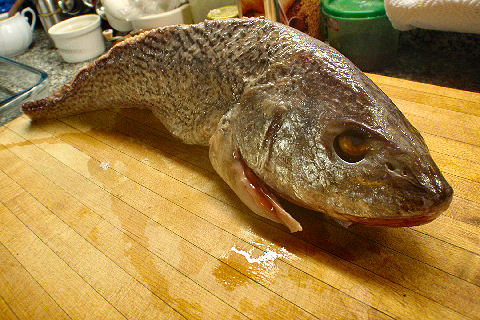
This unattractive specimen is a corvina rubia – Micropogonias furnieri, a White-Mouthed Croaker, a mud and sand bottom dwelling coastal fish that is abundant in the waters around Argentina and Uruguay, with a range that continues on up the Atlantic as far as Costa Rica. Typically about 45cm/1.5ft, it may grow to around 60cm/2ft. It’s a fairly important food fish as things go, though I tend to find that it has a slightly muddy and fishy taste and am usually not overly fond of it. It’s not bad grilled with some olive oil and lemon. We’ll see, as I get into exploring some of the classic recipes perhaps I’ll find a way that I like it better.
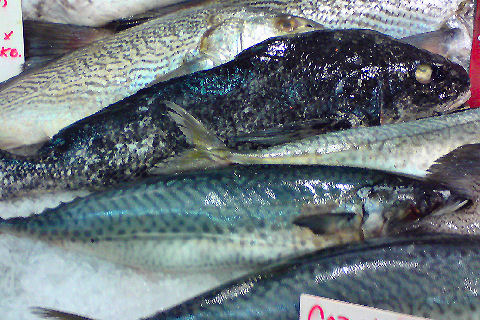
While in the same fish family, the corvina negra – Pogonias cromis, or Black Drum, is a quite different fish. First off, though most typically similar sized, it can grow much larger and can come in as big as 170cm/5.5ft and weighing in around 50kg/110lb. It has a very small distribution, pretty much just found in two places – the northern Caribbean, particularly around the Florida Keys, and the northern coast of Argentina (with a very small population off the coast of Nova Scotia as well). Although also a mud dwelling fish its diet tends more towards crustaceans than the more insectivore rubia above and I think it has a little milder flavor. It’s still not a favorite, and in terms of cooking I pretty much treat them equally. We shall see…. and I have to get a better picture of both corvinas.
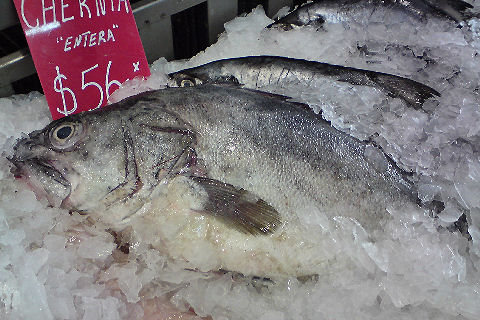
The chernia, or mero chernia in Uruguay – Polyprion americanus is called the American, or Atlantic Wreckfish, and sometimes the Stone Bass in English. It’s a fairly large fish and while the most common run around 80cm/2.6ft, they can come in in excess of 200cm/6.5ft and more than 100kg/220lb. They’ve got a wide distribution, throughout the Atlantic and also the Indian Ocean. They’re important as a game/sport fish and they’re quite delicious. A white meat fish with thick fillets and, given the size, a surprisingly delicate flavor, they’re great broiled, steamed, baked, grilled – pretty much anyway you might want to cook them. We like to use them in a classic Peruvian sudado and also just as simple broiled fillet with some vegetables. I do tend to find they have a lot of fiddly bones that need to be pulled out as they have a little “Y” shaped ending that anchors them in – a bit of a pain to work with.
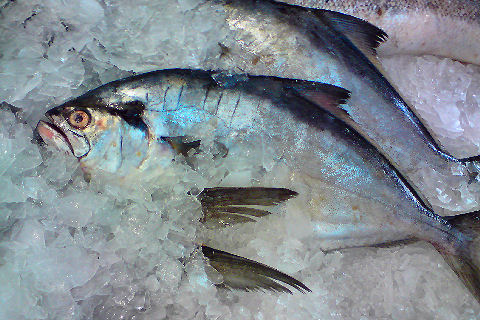
Ahh, the palometa, or atún del Mar del Plata – Parona signata, in English a variety of names – the Parona leatherjack, Parona leatherjacket, Australian queenfish – the same family as pompano and pomfret, though a different genus and species. Distributed along pretty much just the Argentine coastline (which makes one wonder how it got an English name of Australian queenfish), it is euphemistically referred to in many fish markets as “Mar del Plata tuna”. There’s not even a remote connection to the tuna family, it’s closer to the mackerels, if anything. This is a dark, meaty fish that’s typically around 40cm/1.3ft in length or smaller. They’re easy to fillet, have few bones that stick into the flesh, and they’re, to a certain extent, an acquired, strong taste – kind of like bluefish in North America. My favorite way to serve them is with a fairly strong flavored topping – breadcrumbs, olives, chilies, bacon, garlic, and parmesan – broiled and served over a rich medley of sauteed mushrooms and small Andean or new potatoes.
[Recipes: Frita con Salsa de Nueces; en Salsa de Tomate; al Horno]
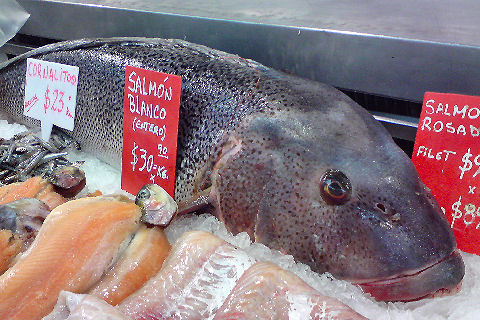
And rounding out today’s eight little fish, another that has little connection to its name – the salmón blanco – Pseudopercis semifasciata – the Argentine, or Brazilian, Sandperch. This is not a “white salmon” as the name would imply, though looking at this big lug you can see why someone might connect it to the classic salmon. It’s distributed along the western Atlantic from mid-Brazil to mid-Argentina and is a big, meaty whitefish that yields thick fillets or, most commonly here, cut into steaks for grilling, a technique to which it stands up well. Typically running around 60cm/2ft in length they often are larger, up to around 100cm/3.2ft and at that size can weigh in at 10kg/22lb. The flesh is, in some ways, reminiscent of salmon, with a slight fattiness, and despite the false connection we’ve paired them up as a duo of salmons on more than one dish. The meat takes well to being marinated and then grilled as a kebab or steak – a favorite marinade is a blend of soy sauce, triple sec and a mild to medium hot, smoky chili like the Chilean merkén or Mexican chipotle.
And that rounds out our first eight little fishes up to the plate. More coming soon.
Copyright © 2026 SaltShaker. This feed contains copyrighted photos and text from SaltShaker. If you are not reading this material in a feed aggregator or by e-mail subscription, the site you are viewing may be guilty of copyright infringement. Please contact [email protected] so that I can take appropriate action.
Plugin by Taragana
]]>