“French speaking countries in Africa have always enjoyed a special relationship with their former colonial master. French influence in those countries remained strong even after independence, with currencies tied by a fixed exchange rate to the French franc, military agreements allowing the stationing of French intervention forces in Africa, and a strong presence of French companies in Francophone territories.”
– Emmanuel Wongibe, editor, Radio Deutshe Weller International
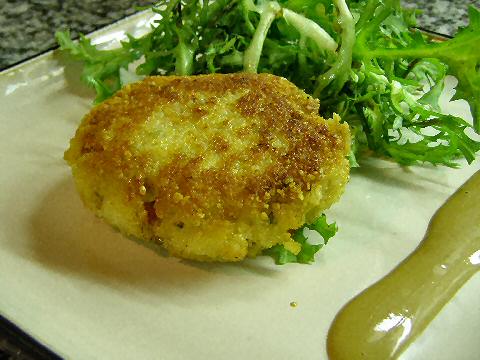
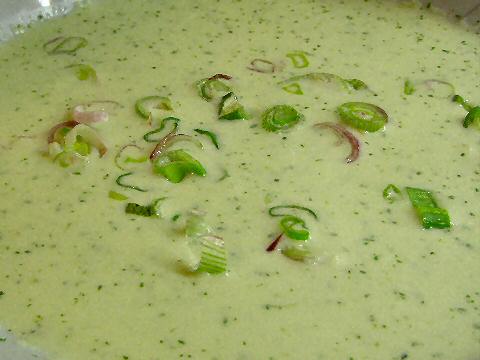
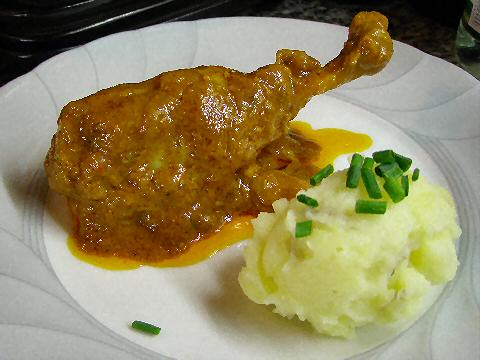
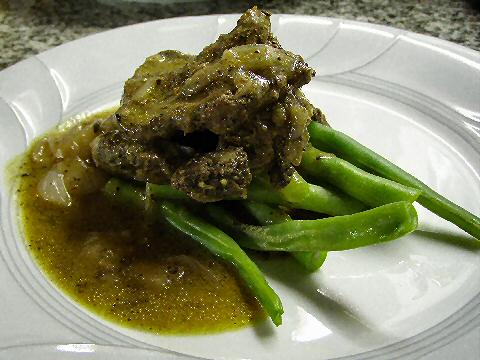
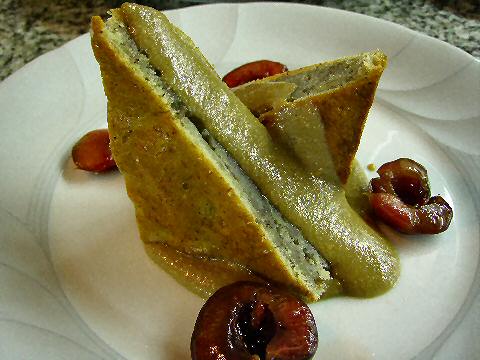
Buenos Aires – Fifty years have passed since the fall of French Equatorial Africa, splitting apart into separate states, tossing off the yoke of French colonial masters. Likewise in the neighboring Congo, and not far away in western Africa, in Mauritania. It seemed as good a moment as any to explore the flavors that spring from the combination of African tradition with French colonial cuisine.
Copyright © 2026 SaltShaker. This feed contains copyrighted photos and text from SaltShaker. If you are not reading this material in a feed aggregator or by e-mail subscription, the site you are viewing may be guilty of copyright infringement. Please contact [email protected] so that I can take appropriate action.
Plugin by Taragana




 ]]>
]]>We need to educate our children if we want our continent to prosper, but they can’t learn if they go to school hungry.”
– Cesária Évora, the “Barefoot Diva”, Cape Verdian singer
Buenos Aires – If I were to ask you to tell me a little about Cape Verde, I’m guessing you’d draw a blank. So would I. Beyond knowing that they were (actually I probably thought, “it was one island”) a group of ten islands off the western coast of Africa, I had nothing. I now know slightly more about them – they were uninhabited until the 15th century when Portuguese fleets discovered them and began using them as a transit point for African slave trade, whaling, coal, and resupply. They’ve only been independent since 1975, a mere 33 years, and spent the first 15 of those with a “one-party democracy”, a rather oxymoronic political system, the first multi-party elections were held in 1990. It is now considered the most stable democracy in Africa, though, with only 18 years of real practice, it may be too soon to really make that claim. More than 70% of the fewer than half-million people in the population are Creole, i.e., of mixed Portuguese and African descent, and the food of the islands echos that blend. July 5th is the nation’s Independence Day, and we celebrated with a little reimagination of traditional dishes – brought home all the more strongly by one of our guests who had actually spent time living on the islands at one point (during a fascinating six-year bicycle trip around the world!), who noted that while the flavors were reminiscent of the food there, “no one on Cape Verde eats this well.”
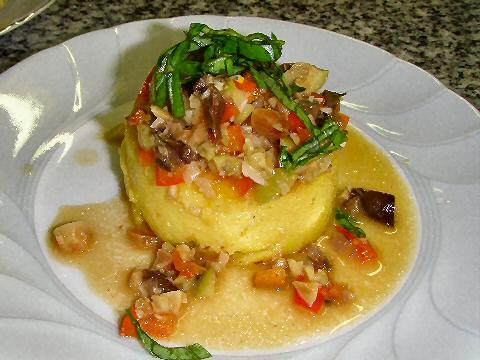
Anyone who knows what a b’stilla looks like knows that this looks nothing like it. It’s a layered savory pastry with a flaky, phyllo style dough, interleaved with meat, vegetables, etc. – often with a touch of sweetness. The Cape Verde version was described in a couple of spots that I could find as being filled with a mix of corn, almonds, honey, and sometimes olives. I decided to abandon form for flavor, and went with a spicy polenta – flavored with garlic, red pepper flakes, black pepper, butter, and grated cheese – after cooking it up to the point where it pulls away from the side of the pan and forms a nice amorphous blob, I poured it into a foil lined, oiled pan, smoothed it out, cooled it, chilled it, and cut it into rounds. For the dinner, I fried the rounds up in a mix of olive oil and butter to give each polenta cake a nicely browned top and bottom. The “salsa” atop is a mix of black and green olives, roasted almonds with mild paprika, onion, red bell peppers, and a splash of orange juice and rum, all topped with some freshly julienned basil.
Next up a delightful little fish soup, quite different from the coconut fish soup that is also a Portuguese influenced fusion dish from our Brazilian dinner a week earlier. This one a simple fish stock made from the fish heads and bones, onions, celery, and black pepper, strained after simmering for an hour. I sauteed up a mix of finely diced vegetables – potatoes, yams, green and red bell peppers, onions – until they were partially cooked, then added diced tomatoes, and lots of chopped green onions and parsley, topped the pot up with the fish stock, and let it all simmer away until the vegetables were fully cooked, then added the fish, a good amount of cubes of corvina, a local type of sea bass, let it cook for about ten minutes more and served.

For me, the most intriguing dish of the cuisine is one called Pastel com Diablo Dentro – the Cape Verdean version of an empanada, with a crust made from a mix of cornmeal and sweet potato, and filled with a spicy tuna mixture. I found only a couple of actual recipes, and some interesting descriptions, including several sources that asserted that this dish is served with a sweet and spicy mayonnaise – sometimes inside with the fish, sometimes as a dip – it was all conflicting enough that I decided to go my own way… surprise, surprise. I went with a simple empanada style crust and made open tartlets. In the bottom, each is filled part way with a puree of roasted yam, simply finished with butter, salt, and a little beaten egg. Atop that is a dice of fresh tuna, onion, tomato, hot peppers, garlic, and corn all sauteed together in a mix of olive and dende (palm) oil. On top, a dollop of freshly made mayonnaise with a mix of palm and corn oils, cayenne pepper, dry mustard, and, finely chopped pineapple along with its juice, and a good sprinkling of chopped chives. It sounds strangely odd, but it’s really quite delicious!
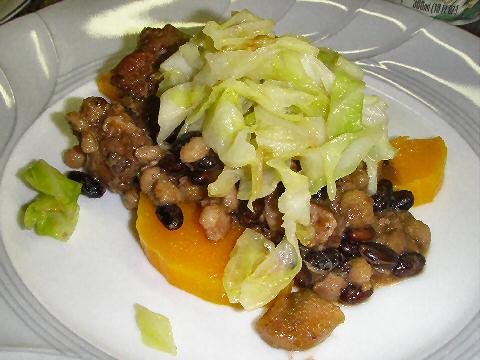
This is the dish that I left closest to its traditional style – perhaps lightly fancied up, but not too much. It’s called cachupa and is considered the national dish of the islands. A stew of hulled white corn, black beans, and lima beans cooked up with a mix of spicy chorizos, morcillas (blood sausage – in this case the slightly cured, firm kind), and some diced pork shoulder. When it’s almost completely cooked I mixed in a pureed of tomato, onion, garlic, and bay leaf, let it finish cooking, then left it to sit for a couple of hours to meld the flavors. I served it over roasted squash slices and topped it with sauteed cabbage (I gather the traditional is served with wedges of the two that have been cooked and then served more as a side to the stew). Hot sauce, of course, avaiable – I went with a simple blend of hot peppers, onions, garlic, and lemon juice.
I came away from my various readings on the country’s cuisine with the impression that dessert tends towards fresh fruit, sometimes with a simple local cheese. I turned it to a ricotta and coconut cheesecake (substituting coconut milk for the regular milk I usually blend in), and then topping it with a mix of diced tropical type fruits (papaya, mango, banana, pineapple) that were just lightly cooked in sugar syrup. And… that’s the name of that tune, as they say.
Copyright © 2026 SaltShaker. This feed contains copyrighted photos and text from SaltShaker. If you are not reading this material in a feed aggregator or by e-mail subscription, the site you are viewing may be guilty of copyright infringement. Please contact [email protected] so that I can take appropriate action.
Plugin by Taragana
]]>“The government of Swaziland, one of Africa’s poorest and most Aids-ridden countries, has defended plans to spend nearly $2,5-million on celebrations to mark the 40th anniversary of independence. Opposition deputies have called for the celebrations, which will also mark King Mswati III’s 40th birthday, to be scrapped or scaled down given that most of the one million population lives on less than $1 a day. But government press secretary Percy Simelane said that the anniversary is an important milestone in the landlocked country’s history and will serve to unite the people. “Such celebrations are a unifying symbol to the Swazi nation because that gives the ordinary Swazi the chance of celebrating with royalty during such functions. The figure is not an issue,” Simelane said.”
– Mail & Guardian
Buenos Aires – Okay, so maybe picking King Mswati III’s 40th birthday as our week’s theme wasn’t the best choice. That’s in hindsight. I picked it a month or more ago, knowing little about Swaziland, his kingdom – vague scraps of memory from geography classes eons ago – and even less, if anything, about the King himself. At one time thought to be the shining hope for his country – with his traditional tribal roots fused with a “western” education – the king has apparently shown himself to be not much more than an egotistical, spendthrift playboy with a penchant for retribution against any public figures or media who criticize him, and the sobriquet of “Fire Eyes” for his quick temper. He has some truly… dumb… ideas as to how to handle problems that confront his reign – some 40% of his population have HIV or AIDS, and, similar to some other African leaders his first response was to deny that such a disease could exist within his country, later deciding to invoke a ban on girls having sex until they reached 21 years of age, then later a five year ban on all sex in the kingdom (other than for himself, of course), and only in recent years finally having woken up to the need to do something effective. He spends money like water – in one recent year buying a private jet that cost more than his nation’s entire health and education budget – using public funds, of course.
But, it was too late. I’d picked the theme, and done the research on the cuisine, and away we went, with apologies to anyone in or from Swaziland who would take offense to our little birthday party for the king.
The evening was ushered in with a cocktail based on Amarula, a South African liqueur – being the closest thing I was likely to find to a Swazi sort of drink – mixed with milk and coca cola (1:2:2) – sounds weird, but it actually works, and the cocktail is known as the Elephant’s Day Dream. On one night of the dinner we actually never got the cocktail served – there was a rush for spots at the table and everyone was suddenly seated, so we moved straight into the dinner.
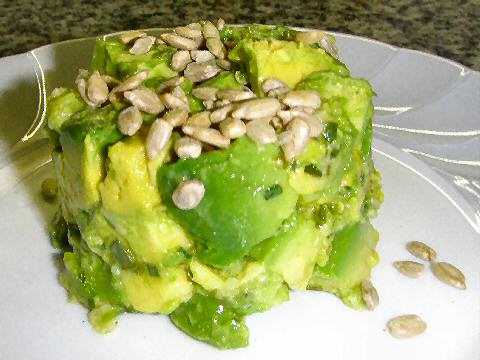
For the dessert, a simple cheesecake made with the amarula liqueur mentioned above, which is a cream liqueur made with the fruit of the marula tree, an indigenous one to the area, in place of the milk I normally add to the mix. It was topped, on the first night, with a quickly made hot caramel sauce, which I thought went well with the cheesecake, but not a perfect match… the second night I tried simply dusting it with a cinnamon and sugar mixture, with I thought worked better in terms of flavor, though, of course, a warm caramel sauce is a great thing – so maybe a cinnamon caramel sauce…?
And, that’s the name of that tune, as “they” say… we’ll leave this as a tribute to the official 40 years of Swazi independence, if not to the same 40 years of the king’s life…
Copyright © 2026 SaltShaker. This feed contains copyrighted photos and text from SaltShaker. If you are not reading this material in a feed aggregator or by e-mail subscription, the site you are viewing may be guilty of copyright infringement. Please contact [email protected] so that I can take appropriate action.
Plugin by Taragana
]]>Chant Yemanja (Goddess of the Sea)
Ago Lona O Ya Le –
Open the way for the most powerful mother
Ago Lona O Ya Le –
Open the way for the most powerful mother
Ya Le Ya Luma O –
Most able mother who protect children
Ya Le Omi Abe –
Mothers’ house of the deepest waters
A Ya Ba Omi O – Ruler of the great water
– Yemanja, by Dianne Reeves
Buenos Aires – Dallas and Fort Worth busily debate the ethics of baggy pants bans, and the State of Missouri, where several municipalities have already passed such bans, has decided that they’re on a roll, and the legislature is facing a vote on whether or not to ban restaurants from serving fat people. Not as dishes, which would probably violate some trans-fat legislation that’s already in place, but as customers. Yes indeed, in our world where people need protecting from themselves, the State is considering turning restaurateurs into dietary enforcement agents, where they will have to make a judgment call as to whether an incoming potential customer is “obese” by local standards, and therefore not entitled to eat in a public space. The proposed law does not yet have any riders attached that will allow the gavage feeding of anorexics, which in hindsight is probably prohibited by anti-foie gras laws, nor the banning of bulemics from the use of restaurant bathrooms, but no doubt those are coming.
Meanwhile, here at Casa SaltShaker, I’m back from my little jaunt, though Henry is still away for a few weeks, and I got things up and running again this weekend with the help of a very willing, but very nervous friend who has never waited tables before. She did fine, and will continue to fill in for the upcoming week. First up on the agenda, the celebration of Yemanja, goddess of the seas, and one of the most important dieties of the Yoruba culture in Western Africa (and, via slave trade, Brazil). It seemed a perfect opportunity to pull out some West African cookbooks and do a little experimenting.
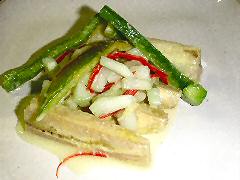 We started off with a Plantain Salad Imoyo… the latter word referring, as best I can gather to dishes (and culture?) created via the influence of returned slaves from Brazil – In the 15th century the Portuguese had brought many West Africans to Brazil to work for them, and in the 19th century, some returned to Africa, primarily coastal Nigeria, bringing with them various new ingredients and techniques. The salad is fairly simple to make, though taking a bit of time to prepare – step one being to completely peel the plantains, cut them into sections, and boil them in lightly salted water. If you’ve left any skin on them, it will turn black as it boils, don’t worry, it makes it easy to see and remove. Once the water comes to a boil, let it go for ten minutes, then drain and cool the plantain pieces. Cut them into thin wedges, and toss them with a julienne of green bell pepper, slivers of hot red chilies, and diced cucumber. Chill well. Make a dressing from several cloves of garlic, and roughly equal parts of fresh lime juice and olive oil, season with salt and pepper. Chill the dressing as well. When ready to serve, toss the vegetables with the dressing, and arrange reasonably nicely on plates. I paired this up with Callia’s Extra Brut 2007 sparkling – a mix of Chardonnay and Pinot Gris, from San Juan.
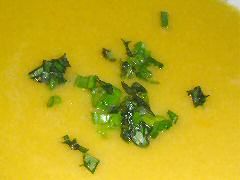 A classic soup of Nigeria, and in particular the Yoruba culture, is a peanut and yam based soup. I’ve seen versions with chopped vegetables in broth, and I’ve seen more cream style soups. I decided on the latter – saute a couple of onions with a good amount of chopped fresh ginger, and a couple of yellow hot chilies, in peanut oil. When the onions are starting to lightly caramelize, add a large, diced batata, or yam, and top off the soup with a good stock (traditional is probably chicken or fish stock, I used a vegetable stock). When the yam is soft, puree until smooth with one good sized tomato, and about a cup of smooth peanut butter (preferably not something commercial with salt and sugar added, but something you’d find at a natural foods store, or even just simply grind a cup or so of roasted (and unsalted) peanuts to a paste yourself. Season with salt and pepper. Garnish with chopped green onions and mint or basil (I used yerba buena which has a flavor somewhere between the two), and serve a good hot sauce on the side to add a kick – all of which paired nicely with La Flor de Pulenta Sauvignon Blanc 2007, my current favorite Sauvignon from Mendoza.
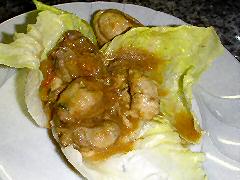 Who knew that “in the mangroves of West Africa, oysters are abundant and are the basis for a number of recipes from this region”, as cooks.com puts it? I pretty much didn’t change this recipe at all – it just sounded so good – I marinated the shucked oysters in a bath of fresh lemon juice with plenty of ancho chili and ginger powders for a couple of hours. Meanwhile I peeled and seeded some tomatoes, then pureed them. Cooked some diced onion in peanut oil until translucent, added the tomato puree, and simmered it down until most of the liquid was evaporated. Ten minutes before I was ready to serve the course, I drained the oysters, and then tossed them in a very hot, big pan, and cooked them for about five minutes, stirring regularly to prevent burning. They give off a lot of liquid… add the tomato paste mixture to them, and cook for another five minutes to combine the flavors. Season with salt and pepper, and yes, that is a leaf of iceberg lettuce (here called “capuchin”, after the cowls that capuchin monks wear) that I served them up on. The bit of a kick on the oysters (they’re not real spicy, though you can add hot sauce, or better yet, just use a hotter chili powder than ancho…), married up well with Callia Alta’s Rosado de Syrah 2007.
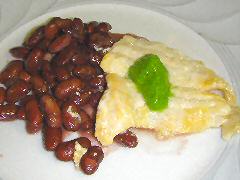 I have to tell you. I love coconut beans. I never had them before. I love them. Traditionally, they’re made mixed with brown rice, but I wanted just the beans – after all, the starches on this dinner were kind of adding up, no? I soaked red beans overnight in cold water, then cooked them in equal parts of coconut milk and water until they were nice and tender. Season with salt and pepper and you’re ready to go. The fish, lenguado, or sole, marinated for a couple of hours in a mix of condensed milk (not sweetened evaporated milk please), and passionfruit juice concentrate. Then the fish is baked, placed aside the beans, and topped with a dollop of a quick parsley “pesto” – which is really just a puree of parsley, olive oil, garlic, sunflower seeds, salt and pepper. As a good quaff on the side, Bodegas Chandon’s “Clos du Moulin” 2005, a blend of Pinot Noir and Cabernet, worked out brilliantly, if I do say so myself.
 Finally, on to dessert – and I knew I wanted to do something with nutmeg, which seems to be one of the major spices in the region. I’d originally been thinking something with peaches, since as I discovered not so long ago, apparently peaches are a big thing in Western Africa, but one of our guests was allergic, so it was easier to create something else. I thought about a nutmeg pie, something I’ve made before and really liked, and in the end, decided to pair it up with a cheesecake and make a nutmeg cheesecake, which then gave way to thinking about something to top it with, and I decided to make a quick, warm, lime caramel sauce to drizzle over it. That worked. And even better with San Felipe’s Tardío 2005, a late harvest blend of Chardonnay, Gewurztraminer, and Semillon, from Mendoza.
Copyright © 2026 SaltShaker. This feed contains copyrighted photos and text from SaltShaker. If you are not reading this material in a feed aggregator or by e-mail subscription, the site you are viewing may be guilty of copyright infringement. Please contact [email protected] so that I can take appropriate action.
Plugin by Taragana
]]>